Thursday, March 12, 2026

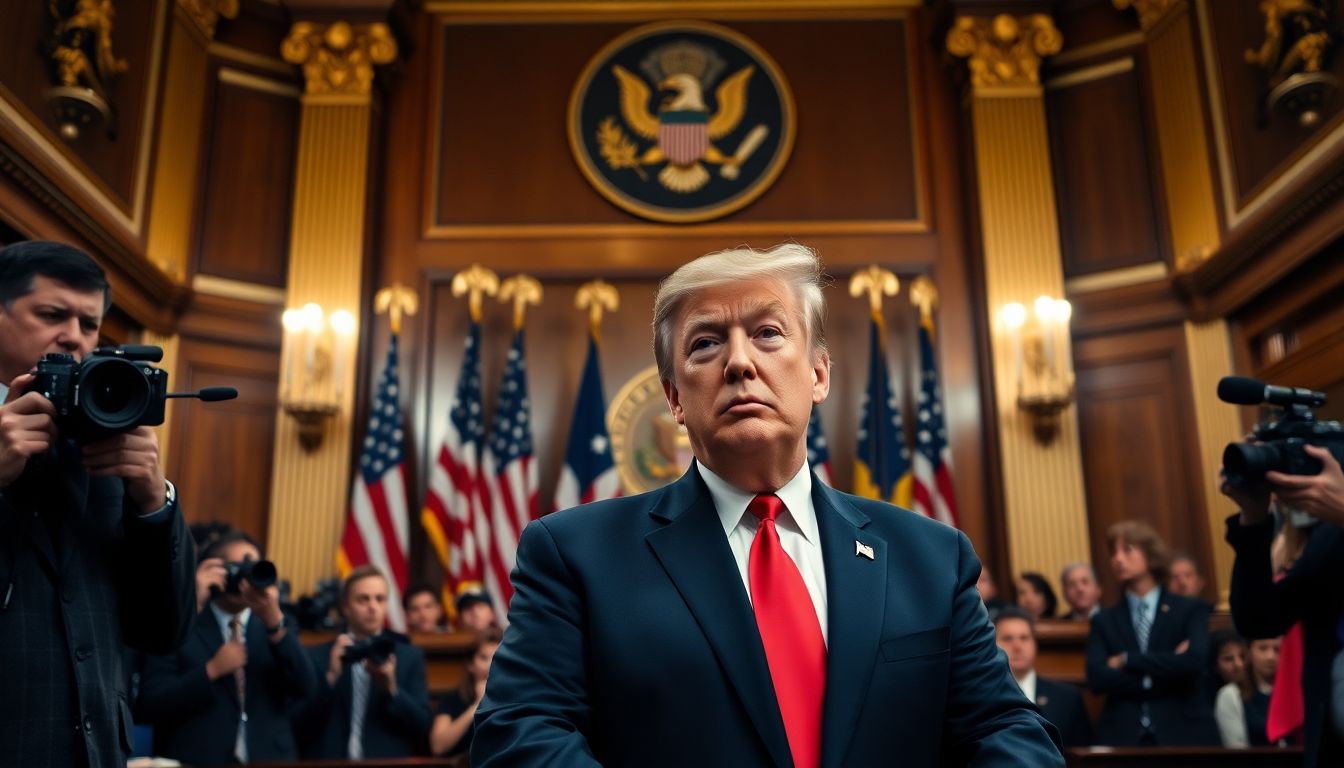
Is the War Trump Has Us in Really Necessary or a Political Distraction?


You wake up to news of another drone strike overseas. Gas prices climb at home. Families worry about jobs and rent. Why does the Trump administration push so hard on this war? It pulls eyes from our own backyard messes.

Right now, in 2026, U.S. forces are tangled in the Middle East flare-up. Tensions with Iran and allies heat up after proxy attacks. Casualties mount, and billions flow to the front lines. The human toll hits hard—soldiers lost, cities bombed. Economies shake as oil routes close. Global ties strain under the weight.

This piece digs into the split: Does Trump's war policy guard real dangers, or does it hide bigger problems at home? We look at facts on both sides. You decide if it's smart defense or a clever shift in focus.

Assessing the Official Justification: Necessity and National Security Imperatives

The Stated Threat Landscape and Intelligence Assessments

The White House points to Iran's growing missile range. Officials say it endangers U.S. bases and Israel. Declassified reports from the CIA show plans for attacks on shipping lanes. These threats hit our economy fast if ignored.

Pentagon briefings stress cyber risks too. Iran hacks key systems, they claim. Without action, blackouts and data breaches could spread. Past incidents, like the 2025 port hack, back this up. Action now prevents worse later.

Experts agree that some response fits. But is full war the only way? Reports hint at options like sanctions. Still, leaders argue that delay costs lives.

Strategic Deterrence and Alliance Obligations

Forward defense means we act early to stop fights at our door. Trump's team says it works. NATO partners rely on us for muscle in Europe ties, even if this war sits outside.

Bilateral pacts with Israel demand support. Past presidents, like Biden, sent aid without boots on the ground. Trump ramps it up, calling it strength. History shows mixed results—Vietnam dragged on, while the Gulf War ended quick.

Allies praise the stand. But costs add up. Do treaties force endless war? We owe help, yet smart limits matter.

Economic Security and Critical Supply Chains

Oil flows through the Strait of Hormuz. Disrupt that, and prices spike to $150 a barrel. Trump's policy aims to keep paths open. Rare earths from the region power our tech—phones, cars, weapons.

Conflict threats hit farms and factories. Inflation jumps if imports stall. Last year, similar scares added 2% to costs, per Fed data. Guarding these chains saves jobs.

Yet, home energy pushes like drilling could ease pain. War spending might offset gains. Balance counts here.

The Distraction Hypothesis: Analyzing Political Utility and Domestic Headwinds

The Rally 'Round the Flag Effect and Approval Ratings

Wars often boost leader support. People unite against foes. Trump's numbers dipped to 42% in February 2026 polls on economic woes. After strikes, they rose 5 points.

Studies from political experts link this to news cycles. Fox and CNN flood the air with battle clips. Voters forget border chaos or high rents.

It fades quick if no wins come. Reagan saw it in Grenada—short bump. Trump might chase that high.

Diverting Oversight and Scrutiny from Domestic Policy Failures

Inflation lingers at 4.5%. Border crossings surge despite wall talk. Congress stalls on farm aid. War news drowns these out.

Media chases bombs over budget fights. Public chats shift to "support our troops." Hearings on spending get buried.

One report notes 70% less coverage on health care post-escalation. It buys time for fixes—or excuses.

Influence of the Military-Industrial Complex (MIC)

Defense firms like Lockheed thrive on orders. Lobby cash flows—$100 million last year alone. They push for more gear, more fights.

Budgets balloon to $900 billion. Jobs in key states keep votes safe. Eisenhower warned of this pull decades back.

Profit motives cloud needs. Does threat drive policy, or cash? Ties run deep.

Analyzing the True Cost: Beyond the Battlefield Budget

The Human and Social Capital Expenditure

Over 500 U.S. troops have been hurt since January. Allies lose thousands. Vets need care—PTSD cases up 20%. Families break apart.

Recruitment drops as youth see risks. The Army misses goals by 15,000. Long wars wear down the spirit.

Communities feel it. Small towns send sons, get flags back. Healing takes years.

Fiscal Strain and Opportunity Cost

Supplemental funds hit $50 billion this quarter. That's cash for schools or roads instead. The infrastructure bill is starved of half the funds.

Debt climbs to $35 trillion. Interest payments eat tax dollars. What if we fixed bridges with that?

Home needs to scream. Kids lack books; vets wait for homes. Choices hurt.

Erosion of Soft Power and International Standing

Allies question U.S. resolve. Europe drifts to its own deals. China gains in Asia talks.

Polls show trust down 10% in Latin America. Drone errors spark hate. Diplomacy suffers.

One analyst says endless fights make us look weak. Peace talks build bridges better.

The Path Forward: Criteria for Evaluating Strategic Success or Failure

Defining Achievable, Concrete Objectives

Set goals like secure routes or curb missiles. Measures by fewer attacks, stable prices. Vague aims like "defeat evil" fuel doubt.

Track progress monthly. If no gains in six months, rethink. Clear wins build trust.

Experts push metrics. Territorial holds or ally pacts count as success.

Developing Off-Ramps and De-escalation Frameworks

Plan talks with back channels. Meet Iran's reps if cease-fires hold. Preconditions: no more strikes.

Drawdown steps: pull air support first, then ground. Experts say it avoids chaos.

History helps—the Korean armistice worked. Smart exits save face.

Actionable Steps for Informed Citizen Oversight

Check Congress's votes on war funds via GovTrack. Cross news with CBO reports for real costs.

Follow think tanks like Brookings for neutral views. Join town halls to ask reps questions.

Email leaders weekly. Stay sharp—your voice shapes policy.

Conclusion: Reconciling Security Needs with Political Realities

Trump's war blends real risks with home gains. Threats exist, yet timing raises eyebrows. Costs mount on all fronts.

True security needs balance. Guard borders abroad and here. Scrutiny keeps leaders honest.

Demand clear goals now. Push for peace paths. Your watch matters—act today. Stay informed, vote smart, and hold power to account. This war tests us all.


You wake up to news of another drone strike overseas. Gas prices climb at home. Families worry about jobs and rent. Why does the Trump administration push so hard on this war? It pulls eyes from our own backyard messes.


Right now, in 2026, U.S. forces are tangled in the Middle East flare-up. Tensions with Iran and allies heat up after proxy attacks. Casualties mount, and billions flow to the front lines. The human toll hits hard—soldiers lost, cities bombed. Economies shake as oil routes close. Global ties strain under the weight.


This piece digs into the split: Does Trump's war policy guard real dangers, or does it hide bigger problems at home? We look at facts on both sides. You decide if it's smart defense or a clever shift in focus.


Assessing the Official Justification: Necessity and National Security Imperatives

The Stated Threat Landscape and Intelligence Assessments


The White House points to Iran's growing missile range. Officials say it endangers U.S. bases and Israel. Declassified reports from the CIA show plans for attacks on shipping lanes. These threats hit our economy fast if ignored.


Pentagon briefings stress cyber risks too. Iran hacks key systems, they claim. Without action, blackouts and data breaches could spread. Past incidents, like the 2025 port hack, back this up. Action now prevents worse later.


Experts agree that some responses fit. But is full war the only way? Reports hint at options like sanctions. Still, leaders argue that delay costs lives.


Strategic Deterrence and Alliance Obligations


Forward defense means we act early to stop fights at our door. Trump's team says it works. NATO partners rely on us for muscle in Europe ties, even if this war sits outside.


Bilateral pacts with Israel demand support. Past presidents, like Biden, sent aid without boots on the ground. Trump ramps it up, calling it strength. History shows mixed results—Vietnam dragged on, while the Gulf War ended quick.


Allies praise the stand. But costs add up. Do treaties force endless war? We owe help, yet smart limits matter.


Economic Security and Critical Supply Chains


Oil flows through the Strait of Hormuz. Disrupt that, and prices spike to $150 a barrel. Trump's policy aims to keep paths open. Rare earths from the region power our tech—phones, cars, weapons.


Conflict threats hit farms and factories. Inflation jumps if imports stall. Last year, similar scares added 2% to costs, per Fed data. Guarding these chains saves jobs.


Yet, home energy pushes like drilling could ease pain. War spending might offset gains. Balance counts here.


The Distraction Hypothesis: Analyzing Political Utility and Domestic Headwinds

The Rally 'Round the Flag Effect and Approval Ratings


Wars often boost leader support. People unite against foes. Trump's numbers dipped to 42% in February 2026 polls on economic woes. After strikes, they rose 5 points.


Studies from political experts link this to news cycles. Fox and CNN flood the air with battle clips. Voters forget border chaos or high rents.


It fades quick if no wins come. Reagan saw it in Grenada—short bump. Trump might chase that high.


Diverting Oversight and Scrutiny from Domestic Policy Failures


Inflation lingers at 4.5%. Border crossings surge despite wall talk. Congress stalls on farm aid. War news drowns these out.


Media chases bombs over budget fights. Public chats shift to "support our troops." Hearings on spending get buried.


One report notes 70% less coverage on health care post-escalation. It buys time for fixes—or excuses.


Influence of the Military-Industrial Complex (MIC)


Defense firms like Lockheed thrive on orders. Lobby cash flows—$100 million last year alone. They push for more gear, more fights.


Budgets balloon to $900 billion. Jobs in key states keep votes safe. Eisenhower warned of this pull decades back.


Profit motives cloud needs. Does threat drive policy, or cash? Ties run deep.


Analyzing the True Cost: Beyond the Battlefield Budget

The Human and Social Capital Expenditure


Over 500 U.S. troops have been hurt since January. Allies lose thousands. Vets need care—PTSD cases up 20%. Families break apart.


Recruitment drops as youth see risks. The Army misses goals by 15,000. Long wars wear down the spirit.


Communities feel it. Small towns send sons, get flags back. Healing takes years.


Fiscal Strain and Opportunity Cost


Supplemental funds hit $50 billion this quarter. That's cash for schools or roads instead. The infrastructure bill starves at half the funds.


Debt climbs to $35 trillion. Interest payments eat tax dollars. What if we fixed bridges with that?


Home needs to scream. Kids lack books; vets wait for homes. Choices hurt.


Erosion of Soft Power and International Standing


Allies question U.S. resolve. Europe drifts to its own deals. China gains in Asia talks.


Polls show trust down 10% in Latin America. Drone errors spark hate. Diplomacy suffers.


One analyst says endless fights make us look weak. Peace talks build bridges better.


The Path Forward: Criteria for Evaluating Strategic Success or Failure

Defining Achievable, Concrete Objectives


Set goals like secure routes or curb missiles. Measures by fewer attacks, stable prices. Vague aims like "defeat evil" fuel doubt.


Track progress monthly. If no gains in six months, rethink. Clear wins build trust.


Experts push metrics. Territorial holds or ally pacts count as success.


Developing Off-Ramps and De-escalation Frameworks


Plan talks with back channels. Meet Iran's reps if cease-fires hold. Preconditions: no more strikes.


Drawdown steps: pull air support first, then ground. Experts say it avoids chaos.


History helps explain why the Korean armistice worked. Smart exits save face.


Actionable Steps for Informed Citizen Oversight


Check Congress's votes on war funds via GovTrack. Cross news with CBO reports for real costs.


Follow think tanks like Brookings for neutral views. Join town halls to ask reps questions.


Email leaders weekly. Stay sharp—your voice shapes policy.


Conclusion: Reconciling Security Needs with Political Realities


Trump's war blends real risks with home gains. Threats exist, yet timing raises eyebrows. Costs mount on all fronts.


True security needs balance. Guard borders abroad and here. Scrutiny keeps leaders honest.


Demand clear goals now. Push for peace paths. Your watch matters—act today. Stay informed, vote smart, and hold power to account. This war tests us all.

Tuesday, January 27, 2026

President Trump’s Interest in Greenland: Strategic Vision or Modern-Day Greed

 In 2019, a surprising headline reverberated around the world: President Donald Trump was considering purchasing Greenland. While met with disbelief and international eye-rolls, the proposal sparked a serious conversation about geopolitics, natural resources, and the ethics of expansionist ambitions in the 21st century. Was this bold idea a legitimate strategic move—or merely a manifestation of modern-day greed masked as policy?


A Big Island With Even Bigger Potential


Greenland, the world’s largest island, is an autonomous territory of the Kingdom of Denmark. Though sparsely populated—with just over 56,000 residents—it sits atop a geopolitical and environmental goldmine. As climate change melts Arctic ice, previously inaccessible shipping lanes and vast reserves of oil, natural gas, rare earth minerals, and other strategic resources are becoming reachable.


In an era where Arctic sovereignty is increasingly contested—especially with Russia expanding its military presence and China investing heavily in polar infrastructure—the strategic value of Greenland cannot be overstated. Its location offers unprecedented military surveillance capabilities and control over emerging Arctic trade routes.


So, when President Trump floated the idea of buying Greenland—reportedly asking aides if the U.S. could acquire it, and even discussing the possibility with Danish officials—it wasn’t entirely out of left field. From a purely strategic standpoint, securing a foothold in the Arctic could position the United States as a dominant force in one of the planet’s most critical regions.


But Was It About Greed?


However, the way the idea was presented—and Trump’s own business background—fueled accusations of greed and ego-driven ambition. Critics pounced on the notion of a sitting U.S. president treating a sovereign nation like real estate to be acquired in a billionaire-style transaction.


Trump, known for his deal-making rhetoric and luxury brand portfolio, didn’t help his case. He had previously expressed interest in buying Greenland during a cancelled 2019 state visit to Denmark, quipping, “We could buy it, and then we could make it great again.” For many, this language echoed colonial-era land grabs, where powerful nations exploited weaker ones for resources and territory—a narrative deeply at odds with modern values of sovereignty and self-determination.


Greenland’s population, though small, has a strong sense of autonomy and identity. The idea of being “sold” like property—especially without consultation—was met with outrage. The Danish Prime Minister at the time, Mette Frederiksen, famously dismissed the idea as “absurd,” prompting Trump to cancel his visit.


The Line Between Strategy and Avarice


The question remains: where do we draw the line between strategic foresight and unethical acquisition?


There’s no denying that Greenland’s mineral wealth—particularly rare earth elements used in smartphones, electric vehicles, and defense technology—represents a critical component of future economic and national security. China currently dominates the rare earth market, and U.S. reliance on it is seen as a strategic vulnerability. Establishing a partnership with Greenland could diversify supply chains and reduce this dependency.


But pursuing such goals must be done respectfully—through diplomacy, investment, and mutual benefit—not through transactional overtures that disregard the will of local populations.


Trump’s approach, however well-intentioned in terms of national interest, lacked nuance and diplomatic sensitivity. Referring to Greenland as a “large real estate deal” reduced a sovereign territory to a commodity, ignoring centuries of cultural heritage and the democratic rights of its people.


A Cautionary Tale for Future Policy


While Trump’s Greenland gambit ultimately went nowhere, it serves as a cautionary tale. In an age of climate change, rapid technological advancement, and rising global competition, strategic interests will continue to evolve. The Arctic will grow in importance—not just for its resources, but for its role in global climate systems and international security.


But how nations pursue these interests matters. The 21st century demands cooperation, not coercion; partnership, not purchase. If the United States wants to secure influence in the Arctic, it should do so by investing in scientific research, supporting sustainable development, and forging alliances based on mutual respect—not by offering billionaire-style buyouts.


Conclusion


Was President Trump’s interest in Greenland about greed? Not entirely—but greed, in the form of unchecked ambition and a transactional worldview, certainly played a role. While the strategic rationale had merit, the approach undermined the principles of sovereignty and diplomacy that should guide foreign policy.


Greenland isn’t a property listing. It’s home to a proud people with the right to determine their own future. As global powers jostle for influence in the Arctic, the real test won’t be who can claim the most territory—but who can lead with integrity, foresight, and respect.

Monday, June 16, 2025

Iran and Israel Fight: Should America Get Involved? The Perilous Tightrope Walk

 Iran and Israel Fight: Should America Get Involved? The Perilous Tightrope Walk

The decades-long tension between Iran and Israel has recently escalated into a direct and dangerous confrontation. With Iran launching a barrage of missiles and drones toward Israel in response to the bombing of its consulate in Damascus, the region teeters on the brink of a larger conflict. As a long-time ally of Israel and a nation with significant strategic interests in the Middle East, the question of whether, and how, America should respond is paramount.


The debate surrounding potential U.S. involvement is complex and fraught with potential consequences. Here's a look at the key arguments:


Arguments for U.S. Involvement:


Protecting a Key Ally: Israel is a vital strategic partner for the U.S. in a volatile region. Abandoning Israel would not only damage America's credibility but also embolden its adversaries. Providing defensive assistance, such as intelligence sharing and missile defense support, is seen as a necessary measure to protect Israel from existential threats.

Deterrence and Stability: Stepping back could be perceived as a weakness, potentially encouraging further aggression from Iran and its proxies. A strong U.S. presence, both diplomatically and militarily, can act as a deterrent, signaling to Iran that further escalations will not be tolerated. This, proponents argue, is crucial for maintaining stability in the region and preventing a wider war.

Preventing Nuclear Proliferation: A deteriorating security situation could push countries in the region, including Saudi Arabia, to develop their own nuclear weapons, creating a potentially catastrophic scenario. A strong U.S. role can help prevent this proliferation by reassuring allies and deterring Iran from pursuing a nuclear weapons program.

Arguments Against U.S. Involvement:


Entanglement and Escalation: Getting involved directly could drag the U.S. into a protracted and costly conflict. Bombing Iran or directly engaging its forces would likely trigger a wider war with unpredictable consequences, potentially impacting global economies and security.

Strategic Overstretch: The U.S. already faces a multitude of challenges globally, including the ongoing war in Ukraine and the increasing tensions with China. Committing significant resources and attention to another major conflict could stretch American capabilities thin and divert focus from other critical priorities.

Fueling Anti-American Sentiment: Direct military intervention in the Middle East is often met with resentment and opposition in the region, potentially fueling extremism and complicating efforts to achieve long-term stability.

Navigating the Tightrope:


Given the complexities and risks involved, the U.S. must carefully calibrate its response. A balanced approach might involve:


Diplomatic Efforts: Prioritizing diplomatic efforts to de-escalate tensions and encourage dialogue between Iran and Israel, perhaps through intermediaries like Qatar or Oman.

Strengthening Deterrence: Reinforcing U.S. military presence in the region and reaffirming its commitment to Israel's security, while simultaneously communicating clearly to Iran the consequences of further escalation.

Providing Defensive Assistance: Continuing to provide Israel with defensive capabilities, such as missile defense systems, that help protect its population and infrastructure.

Encouraging Restraint: Urging both Iran and Israel to exercise restraint and avoid actions that could further escalate the conflict.

Building a Coalition: Working with international partners, including European countries and regional actors, to forge a united diplomatic front and exert pressure on both sides.

Conclusion:


The conflict between Iran and Israel presents the U.S. with a difficult dilemma. While inaction risks emboldening aggressors and undermining American credibility, direct intervention carries the risk of a wider, more devastating war. The key lies in navigating a tightrope, employing a combination of diplomacy, deterrence, and defensive support to de-escalate tensions, reassure allies, and ultimately prevent a catastrophic regional conflict. The coming days and weeks will be critical in determining whether the U.S. can successfully steer the region away from the brink and towards a more stable future.

Beyond the Headlines: Remembering the Humanity in Protest

 Beyond the Headlines: Remembering the Humanity in Protest

We see them on the news, filling streets, holding signs, chanting slogans. Protesters. A collective noun, is often reduced to a monolithic entity defined by its cause. But behind the banners and the fervor, lies a fundamental truth we usually forget: protesters are human, too.


In the heat of the moment, whether we agree with their cause or vehemently oppose it, it's easy to dehumanize them. We might label them "radicals," "troublemakers," or simply dismiss them as "the opposition." This simplification allows us to distance ourselves, to avoid engaging with the uncomfortable realities they might be highlighting.


But dehumanization is a dangerous path. It allows us to rationalize violence, to ignore their grievances, and ultimately, to stifle the very dialogue necessary for a functioning society.


Remember, each individual participating in a protest has a story. They have families, friends, hopes, and fears. They are mothers, fathers, students, workers, and neighbors. They are motivated by a deep-seated belief, a concern for the future, a yearning for justice.


Their motivations might stem from a personal experience, a deep-seated inequality, or a desire to improve the lives of others. They might be driven by hope, or by desperation born of feeling unheard and powerless. Understanding their "why" is crucial to understanding the protest itself, and to bridging the divide that separates us.


This isn't about condoning violent acts or endorsing specific ideologies. It's about recognizing the inherent dignity in every individual, even (and especially) when they disagree with us. It's about remembering that behind the masks and the amplified voices are human beings with valid concerns and a desire to be heard.


So, the next time you see a protest unfold on your screen, try to look beyond the spectacle. Consider the individuals involved, their potential motivations, and the human cost of ignoring their voices.


Here are some practical ways to remember the humanity of protesters:


Listen, don't just hear: Seek out accounts from individuals directly involved in the protest. Understand their perspective, even if you disagree with it.

Challenge your biases: Ask yourself why you might be quick to judge or dismiss a group of people based on their affiliation with a protest.

Emphasize empathy: Try to understand the emotions driving the protest. What are the participants feeling? What are they hoping to achieve?

Engage in respectful dialogue: Engage in constructive conversations with people who hold different views. Focus on understanding their perspective, not just winning an argument.

Remember the individual: Avoid generalizing or stereotyping protesters. Each person has their own unique story and motivations.

Ultimately, recognizing the humanity in protesters is not about agreeing with their cause. It's about fostering a more empathetic and understanding society. It’s about acknowledging that even in disagreement, we all share a common humanity and that listening to each other is the first step towards building a better future for all. Let's strive to look beyond the headlines and truly see the people behind the protests. They are human, too.


Sunday, June 15, 2025

A Third World War in the Next Decade? Assessing the Risks

 A Third World War in the Next Decade? Assessing the Risks

The specter of a Third World War looms large in the collective consciousness, fueled by global tensions, evolving military technologies, and a growing sense of unease. But how likely is such a devastating conflict to erupt in the next decade? While predicting the future is impossible, we can analyze current trends, flashpoints, and potential triggers to assess the risks.


A Perfect Storm of Geopolitical Instability:


Several factors are converging to create a more volatile global landscape:


Great Power Competition: The decline of US hegemony and the rise of China, coupled with Russia's assertive foreign policy, have ushered in an era of intense competition. This rivalry plays out in various arenas, from trade and technology to military posturing and influence in international organizations.

Regional Conflicts and Proxy Wars: The world is riddled with regional conflicts, many of which are fueled by external powers vying for influence. Examples include the conflicts in Ukraine, Syria, and Yemen, which have the potential to escalate and draw in major global players.

Technological Disruption: Rapid advancements in military technology, particularly in artificial intelligence, autonomous weapons systems, and cyber warfare, are creating new and unpredictable threats. The potential for miscalculation or accidental escalation in a cyber conflict is particularly concerning.

Economic Instability and Resource Scarcity: Economic downturns, rising inequality, and competition for scarce resources like water and energy can exacerbate existing tensions and create new flashpoints. These factors can contribute to internal unrest and instability, which can then spill over into international conflict.

Erosion of International Institutions: The rise of nationalism and populism, coupled with disillusionment with globalization, has led to a weakening of international institutions like the United Nations and a decline in multilateral cooperation. This makes it harder to resolve disputes peacefully and increases the risk of unilateral action.

Potential Triggers and Flashpoints:


Identifying potential triggers for a Third World War is a complex and speculative exercise, but some areas are more concerning than others:


The Indo-Pacific Region: Tensions over Taiwan, the South China Sea, and territorial disputes between China and its neighbors create a volatile environment in the Indo-Pacific. A miscalculation or incident in this region could quickly escalate into a major conflict.

Eastern Europe: The ongoing conflict in Ukraine remains a significant flashpoint. Further escalation, particularly involving NATO members, could trigger a wider war.

The Middle East: The region remains a hotbed of conflict, with proxy wars, sectarian tensions, and the potential for nuclear proliferation all contributing to instability.

Cyber Warfare: A large-scale cyberattack targeting critical infrastructure could provoke a military response, leading to an escalating cycle of retaliation.

Assessing the Likelihood:


While the risks are undoubtedly elevated, the likelihood of a full-scale Third World War in the next decade remains relatively low. Several factors mitigate against such a catastrophic outcome:


Nuclear Deterrence: The existence of nuclear weapons serves as a powerful disincentive for major powers to engage in direct military conflict. The threat of mutually assured destruction acts as a crucial check on aggression.

Economic Interdependence: The global economy is deeply interconnected, and a major war would have devastating consequences for all involved. This economic interdependence provides a strong incentive for peaceful resolution of disputes.

International Diplomacy: Despite the challenges facing international institutions, diplomacy and negotiation remain important tools for preventing conflict. Even in the face of heightened tensions, channels for communication and dialogue remain open.

Conclusion:


While the possibility of a Third World War in the next decade cannot be completely discounted, it is not inevitable. The combination of geopolitical instability, technological disruption, and regional conflicts presents a serious challenge, but the factors that mitigate against a full-scale conflict remain strong.


The key to preventing a global catastrophe lies in strengthening international institutions, promoting diplomacy and dialogue, managing technological risks, and addressing the root causes of conflict, such as poverty, inequality, and resource scarcity. Vigilance, responsible leadership, and a commitment to peaceful resolution of disputes are essential if we are to navigate this complex and dangerous world.

Tuesday, May 13, 2025

Trump to Lift Syria Sanctions: Implications, Strategies, and Global Reactions

 The decision by the Trump administration to lift sanctions on Syria has sparked a storm of questions worldwide. After years of economic penalties designed to pressure the Syrian government, this move signals a major shift in U.S. policy. This decision could open new paths for Syria and reshape regional dynamics. Understanding this change involves exploring its background, causes, and possible outcomes. It also means paying close attention to global reactions and what it could mean for future diplomacy.


Background of U.S. Sanctions on Syria

Historical Context of Sanctions Since 2011


Sanctions on Syria began in 2011, right after the civil war started. The U.S. wanted to push Bashar al-Assad to leave power and end human rights abuses. Over time, the list of restrictions grew longer, including bans on trade and freezing assets. These measures aimed to cripple Assad’s regime but also affected ordinary Syrians who needed aid.


Key Sanctions Programs and Their Impact


The U.S. uses many tools for sanctions. These include freezing bank accounts and blocking exports to Syria. The goal was to increase pressure without hurting civilians too much. Still, many sectors such as oil, agriculture, and pharmaceuticals suffered. These sanctions worsened economic hardship for the Syrian people, while also causing ripple effects in neighboring countries like Lebanon and Jordan.


Previous U.S. Policies Toward Syria


Multiple U.S. presidents kept the sanctions in place, with some easing or tightening depending on events. Earlier efforts focused on regime change and pressuring allies like Russia and Iran. International organizations like the UN and the European Union also adopted their own sanctions to increase pressure on Assad’s government.


Reasons Behind Trump’s Decision to Lift Syria Sanctions

Political and Diplomatic Motivations


Trump’s move might aim to improve relations with Syria and its allies. Russia and Iran have supported Assad, and easing sanctions could foster diplomacy. Some see it as a way to leverage negotiations or create new alliances in the Middle East.


Economic Interests


Reopening channels for trade and investment in Syria could benefit American companies and regional economies. It offers new opportunities for reconstruction projects. Investors might see Syria as a place to restore or develop infrastructure once peace is more stable.


Humanitarian and Stability Considerations


While sanctions were meant to help civilians, they sometimes hurt them more. Lifting sanctions might reduce some hardships and encourage peace talks. Still, concerns remain about ensuring the Assad regime doesn’t use this move to strengthen itself further.


Influence of International Actors


Russia and Iran likely played a role in encouraging the U.S. to drop sanctions. Both nations want to keep Assad in power and see this as a win for their regional influence. Diplomatic negotiations with these countries appear central to the decision.


Strategic Implications of Sanctions Relief

On U.S.-Syria Relations


Removing sanctions could open the door for diplomatic talks. This step might lead to an official normalization of ties. But some worry it might also give Assad more confidence to ignore international calls for reform.


Regional Stability and Security


Syria’s neighbors like Turkey, Iraq, and Lebanon will closely watch these changes. Easing sanctions might alter conflict dynamics, possibly leading to fewer refugees and better regional cooperation. However, it could also risk reigniting violence.


Impact on Global Geopolitics


This move could reshape the power balance between the U.S., Russia, and Iran. Weaker sanctions might boost Russia and Iran’s influence in Syria and beyond. For the U.S., it raises questions about its standing as a tough-on-regime policy leader.


Economic Consequences


Lifting sanctions may open doors for rebuilding Syria’s devastated areas. Foreign investments could flow in, helping restore infrastructure and services. But it also risks creating a precedent where sanctions are eased too quickly, reducing U.S. leverage.


International Reactions and Critiques

Reactions from Allies and Regional Partners


Some NATO countries and Middle Eastern allies welcomed the move, hoping for stability. Others worry it could weaken pressure on Assad and prolong the conflict. Countries like Israel and Saudi Arabia are cautious, fearing Iran’s gains.


Criticism from Human Rights Organizations


Many groups oppose lifting sanctions, fearing it could let Assad escape accountability. They argue that sanctions are tools to help uphold human rights and that they should stay until reforms are real.


Support from Russia and Iran


Both countries view the easing favorably. Russia and Iran believe it will help stabilize Syria and serve their own interests. They see it as accepted diplomatic progress.


Global Diplomatic Considerations


This shift could change the UN’s stance and international cooperation. Some countries may push for continued sanctions or new diplomatic efforts to keep pressure on Assad.


Future Outlook and Recommendations

Potential Pathways Forward


Sustained sanctions removal is unlikely without guarantees. Negotiations and ceasefire agreements need to be part of the process. Progress depends on credible efforts for peace and reform.


Key Factors for Policymakers


Balancing strategic interests with human rights remains vital. Policymakers should watch for signs of regime abuse and use diplomatic tools to ensure accountability.


Actionable Tips for Stakeholders


Diplomatic engagement should focus on peace talks and reconstruction. Monitoring mechanisms need to keep tabs on compliance and human rights. The international community should join forces to rebuild Syria responsibly.


Conclusion


The decision to lift sanctions on Syria shows a new approach to U.S. policy. It offers chances for dialogue and rebuilding but also carries risks. Moving forward, it’s crucial to balance strategic gains with humanitarian goals. Watching how international, regional, and local actors respond will determine Syria’s future. Effective policies can help promote lasting peace, stability, and accountability in the region.


Stay informed. Support diplomatic efforts that prioritize human rights. And keep an eye on how this change unfolds in the coming months. The future of Syria depends on careful choices today.

Friday, May 9, 2025

Congratulations to the American Pope Leo XIV: Celebrating His Historic Papacy and Legacy

 Congratulations to the American Pope Leo XIV

Congratulations to the American Pope Leo XIV: Celebrating His Historic Papacy and Legacy


Introduction

The election of Pope Leo XIV marked a milestone in church history. As the first American to lead the Catholic Church, his arrival raised hopes and expectations worldwide. This historic moment not only changed the face of the papacy but also brought the voice of America into a global religious role. Recognizing his contributions helps us understand how leaders from new backgrounds can shape the future of faith and society. Celebrating his legacy shines a light on how diverse leadership can inspire positive change in the church and beyond.


The Historic Rise of Pope Leo XIV: America’s First Pontiff

Background and Election

Pope Leo XIV, born in the United States, rose from humble beginnings to global prominence. His early life was rooted in community service and deep faith, charting a path that led him to become a prominent church leader. When the papal conclave gathered, his election was a shock to many—making him the very first American pope in history. His election symbolized a new chapter, one where American values and ideas would influence church policies deeply.

Significance of an American Pope

Having an American at the Vatican changed how people saw the church. It created a bridge between Western democracy and religious authority. American Catholics felt pride and hope that their nation’s ideas were now part of global faith leadership. It also meant the church could connect better with a more diverse, modern world. His election boosted the visibility of American Catholics and demonstrated that leadership could come from new and unexpected places.

Challenges During His Election

His rise to power wasn’t without hurdles. Political tensions, religious debates, and societal doubts surrounded his election. Many wondered if an American leader could navigate the complex traditions of the church. Despite opposition, he proved his strength by balancing tradition with innovation. His ability to handle these hurdles helped him secure his role as a unifying figure for Catholics worldwide.


Key Achievements and Initiatives of Pope Leo XIV

Modernization of the Vatican

One of his biggest changes was modernizing Vatican operations. He introduced reforms to improve church administration, making it more transparent. These efforts helped the church better communicate with its followers and implement new outreach programs. His focus on efficiency and openness helped revitalize the Vatican’s reputation.

Interfaith and International Relations

Leo XIV worked hard to build bridges with other faiths and nations. He promoted dialogue between different religious groups and signed important treaties. His diplomacy helped foster peace and understanding in troubled regions. Building global alliances was a key part of his leadership, helping to make the church more active internationally.

Social Justice and Catholic Advocacy

He was deeply committed to social justice causes. Under his leadership, the church launched programs to fight poverty, improve education, and support human rights. He also emphasized caring for the environment, urging followers to respect the earth’s resources. These initiatives connected faith with real-world issues that affect millions.


The Global Impact of Pope Leo XIV’s Papacy

Influence on Global Catholicism

His leadership changed church policies to be more inclusive and proactive. He expanded missionary work and increased aid to regions in need. His efforts helped spread the church’s message across the world and strengthened its social programs.

United States and International Perception

The media widely celebrated his election as a historic event. Public opinion in America grew more positive, seeing the church as a force for change. Leaders from politics and religion praised his efforts, reinforcing his global impact. His leadership boosted the church’s reputation as a modern, compassionate institution.

Data and Statistics

During his tenure, church membership grew significantly, especially in developing regions. Outreach programs expanded, reaching millions more. The number of Catholic missions and charity projects tripled in just a few years, showing tangible growth and influence.


Honoring Pope Leo XIV: Ways to Celebrate and Continue His Legacy

Educational and Community Events

Organize special events like talks, lectures, and community outreach in his honor. Share his story with youth and church groups to inspire future leaders. Promoting awareness of his achievements keeps his legacy alive.

Supporting Causes Inspired by His Leadership

Support church-led initiatives focusing on social justice, peace, and interfaith dialogue. Volunteer in programs that help the poor, foster education, or protect the environment. These actions reflect his values in real life.

Actionable Tips

You can embody his spirit by practicing kindness, fairness, and respect toward everyone. Join your local church or charitable organization to make a difference. Spread his message of hope and unity in your daily life.


Conclusion

Pope Leo XIV’s election was a historic moment for the church and America. His leadership brought positive change in church practices and global diplomacy. Celebrating his legacy reminds us of the power of diverse leadership in shaping a better world. Let’s honor his memory by actively supporting causes that reflect his values. Together, we can carry forward his vision of unity, justice, and faith for generations to come.

Monday, April 28, 2025

Impact of Artificial Intelligence on Employment and Careers

 AI in the Workplace

Is AI the New Job of the Future? Exploring the Impact of Artificial Intelligence on Employment and Careers

Introduction

Artificial Intelligence (AI) is no longer just a tech buzzword. It’s rapidly changing how businesses run. From helping doctors diagnose diseases to automating factory lines, AI is everywhere. This growth sparks a big question: Will AI replace jobs or create new ones? Many wonder if AI will be the new job of the future, changing careers as we know them. Understanding this shift can help you prepare for what comes next.

The Rise of AI in the Workforce

The Evolution of Artificial Intelligence

AI has been around for decades. It started with simple programs in the 1950s. Over years, milestones like IBM’s Deep Blue beating chess champions and Alexa’s voice recognition showed progress. Today, AI can understand language, recognize images, and make decisions. Its capabilities grow as the technology gets smarter, faster, and more affordable.

AI Adoption Across Industries

Many industries were quick to adopt AI. Healthcare uses it for faster diagnoses. Banks rely on AI for fraud detection. Manufacturing plants use robots for assembly lines. AI makes operations smoother and helps managers make better choices. Its reach keeps expanding into new fields all the time.

Benefits of AI Integration

Integrating AI leads to many advantages. It boosts productivity by automating routine tasks. Companies also become more innovative with new products and services. Using AI cuts costs, which helps businesses stay competitive. Overall, AI can transform how work gets done efficiently and creatively.

Jobs AI Is Transforming or Replacing

Automated Tasks and Job Displacement

Automation hits jobs with repetitive work. In factories, robots now assemble cars faster than humans. Customer service roles are changing as chatbots handle simple questions. Data shows that many routine jobs are at risk because machines do them quicker and cheaper. Still, this shift frees people to focus on more complex tasks.

New Job Categories Emerging

While some jobs disappear, new ones grow. Companies now seek AI specialists to program and manage these systems. Data analysts are in demand to interpret AI outputs. Ethical guides on AI fairness are also emerging as an important role. These new careers help businesses harness AI’s power responsibly.

Skill Shifts in the Workplace

To stay relevant, workers need new skills. Digital literacy, problem-solving, and creativity are more important than ever. Learning how to work with AI tools becomes part of the job. Continual learning helps us adapt to a changing job scene and stay employed long-term.

The Future of Work with AI

Predictions from Industry Experts

Leaders like Satya Nadella and Sundar Pichai believe AI will create as many jobs as it replaces. The key is how quickly workers learn new skills. Experts see AI as a tool to enhance jobs, not take them all away. Trends indicate AI will keep improving, making future careers more tech-driven.

Opportunities AI Presents for Job Seekers

Fields like AI development, cybersecurity, and human-AI collaboration show promise. If you want to stay ahead, consider upskilling through online courses or certifications. Gaining knowledge in these areas can open new doors. Focus on areas where human skills and AI together shine, like creative problem-solving and emotional intelligence.

Challenges and Ethical Considerations

AI can lead to unemployment if not managed well. Economic gaps may widen, causing social issues. There are also concerns about bias in AI decisions, like hiring or lending. Responsible AI use needs strict rules and ethics. Companies and governments must work together to prevent misuse and ensure fairness.

Preparing for an AI-Integrated Job Market

Education and Training Strategies

Learning should never stop. Emphasize STEAM education—science, technology, engineering, arts, and math—that prepares us for future work. Online platforms now offer courses, boot camps, and certifications. These resources make learning accessible and fast, helping you stay competitive.

Company Initiatives and Policy Recommendations

Many firms now include training programs for their staff. Some governments push policies for reskilling workers, especially those displaced by AI. These measures help workers transition smoothly into new roles. Encouraging a culture of lifelong learning at workplaces makes a big difference.

Personal Action Plan for Job Security

Start by checking your skills gaps—what do you need to learn? Focus on adaptable skills like teamwork, communication, and tech literacy. Stay curious about new tools and trends. Emphasize qualities like creativity and emotional intelligence, which AI can’t easily replace. The more flexible you are, the better prepared you’ll be.

Conclusion

AI is a powerful force that can shake up jobs but also create new opportunities. The key lies in how we choose to adapt. Instead of fearing AI, see it as a tool to help us grow and improve. Investing in learning new skills and staying open to change will shape your future. Remember, whether AI becomes the new job of the future depends on how we embrace its potential—to empower us, not replace us.

 Impeachment

Will Donald Trump Be Impeached? An In-Depth Analysis of the Possibility and Implications

Introduction

Many Americans are wondering whether Donald Trump will face impeachment again. Impeachment has always been a powerful tool for Congress to hold presidents accountable. Recently, Trump’s actions and words have fueled fresh debate about whether Congress should pursue this route again. Impeachment isn’t just about legal charges; it’s a political process that can shape the country’s future. This article explores the chances of Trump being impeached again, the factors involved, and what it could mean for the U.S.

The Impeachment Process: Legal and Political Framework

How Impeachment Works in the U.S. Constitution

Impeachment comes from the U.S. Constitution. It allows Congress to remove a president or other federal officials for misconduct. The House of Representatives has the power to initiate impeachment. If the House votes to impeach, then the case moves to the Senate for a trial. To remove someone from office, two-thirds of the Senate must agree. This process has a long history, with three presidents impeached in the past.

Criteria and Grounds for Impeachment

For impeachment, there needs to be proof of "high crimes and misdemeanors." These can include serious illegal acts or abuse of power. But politics plays a big role. Lawmakers often weigh public opinion and party loyalty when deciding. Recent debates have centered on conduct like spreading false election claims or inciting violence. Those acts are seen by some as impeachable, but opinions vary greatly.

Recent Changes and Amendments Relevant to Impeachment

Over the years, the political climate and legislative rules have changed. These shifts might influence whether Trump gets another chance at impeachment. For instance, recent laws and political norms now make it easier or harder for Congress to act. The emotional climate after past impeachments also shapes decisions today.

Historical Context and Precedents

Past U.S. Presidents Impeached and Their Outcomes

Andrew Johnson and Bill Clinton were both impeached but not removed from office. Donald Trump was impeached twice—first in 2019 and again in 2021. These cases teach us that impeachment often becomes a political fight. Sometimes, it weakens a president’s support; other times, it backfires.

Impeachment of Donald Trump: 2019 and 2021

In 2019, Trump faced charges of abuse of power and obstruction of Congress. He was acquitted in the Senate. In 2021, he was impeached for incitement of insurrection after the Capitol riot. Again, he was not removed from office. These events show how impeachment can be more political than legal.

The Role of Partisan Politics in Impeachment

Party loyalty heavily influences impeachment efforts. Democrats pushed hard against Trump, while many Republicans defended him. Public opinion and media coverage also sway lawmakers’ choices. If the political climate favors or opposes impeachment, that outcome often follows.

Current Legal and Political Factors Influencing Trump's Impeachment Chances

Investigations and Legal Proceedings

Various investigations continue into Trump’s actions. Legal issues include possible obstruction of justice and incitement of violence. These ongoing probes could produce new charges. If enough evidence appears, Congress might be more inclined to push impeachment.

Political Climate and Congressional Support

Support from congressional leaders is crucial. Many Democrats want to see Trump impeached again. Most Republicans, however, remain loyal to Trump. After recent elections, some lawmakers are cautious about losing voter support. Polls suggest public opinion is divided on whether Trump should face another impeachment.

Notable Events and Statements

Trump’s recent statements and actions keep the issue alive. For example, his comments around the 2024 elections and the Capitol riot still stir controversy. These moments could serve as grounds for impeachment if lawmakers see them as serious misconduct.

Potential Outcomes and Implications

What Impeachment Could Mean for Donald Trump

Impeachment doesn’t automatically remove Trump from politics. But it could tarnish his reputation and limit future leadership opportunities. Legally, it might lead to criminal charges later, depending on investigations. Politically, it could impact his influence in the GOP and beyond.

Broader Political and Social Impact

Impeachment fights deepen party divides. It can also influence policies and the legislative agenda. For the country, it sends a message that accountability exists. Still, it risks creating more polarization if not handled carefully.

Expert Opinions and Predictions

Many political analysts believe Trump’s chances depend on the strength of evidence and public support. Some see impeachment as likely if new charges surface. Others think it’s unlikely without bipartisan backing, which remains hard to achieve in today’s climate.

Actionable Tips for Stakeholders

  • Voters should stay informed about ongoing investigations and political debates.
  • Lawmakers must balance legal facts with public opinion.
  • Citizens can impact the process by voicing their views to representatives and engaging in civic activities.

Conclusion

The possibility of Donald Trump being impeached again depends on many factors. Legal investigations, political support, and public opinion all play a role in shaping the outcome. While it’s uncertain whether impeachment will happen, the process profoundly affects American democracy. Staying aware of how these events unfold helps us see the true power of accountability in our government. Only time will tell if Trump’s impeachment journey continues or concludes—either way, it stays one of the most pivotal stories in U.S. politics today.

Saturday, April 26, 2025

Is Elon Musk Heading for Trouble as Tesla Stock Falls?

 Image

Is Elon Musk Heading For Trouble As Tesla Stock Falls?

Introduction

Tesla's stock has taken a noticeable dip recently, sending shockwaves through the market. For many investors and fans, Tesla isn’t just about cars; it represents innovation and Elon Musk’s bold vision. But when Tesla’s stock struggles, questions about Musk’s future and the company's stability arise. Are these declines a sign of bigger trouble ahead? Understanding what's behind the stock drops is key for anyone interested in Tesla — from investors to industry watchers and lovers of tech innovation.

Tesla's Stock Performance: Current Trends and Historical Context

Overview of recent stock decline

Tesla’s stock recently fell over 20% in just a few weeks. This sharp drop surprised many, especially given Tesla’s long history of big gains. Comparing it to past highs, the stock is now well below its peak in late 2021. Historically, Tesla's stock has been volatile, with rapid rises followed by quick falls.

Factors influencing stock volatility

Part of this fall stems from broad market forces like rising interest rates and weakness in tech shares. Plus, external pressures such as economic uncertainty impact all stocks. Internal factors also play a role. Production issues or misses on earnings can quickly shake investor confidence. When Tesla reports lower-than-expected profits, the stock tends to react negatively.

Past instances of stock fluctuation and recovery

Tesla has seen similar dips before. In 2018, the stock plunged as doubts about profitability emerged, then soared again after new models and sales growth. These dips teach us that volatility is part of Tesla’s story. With patience and strong company strategies, Tesla has bounced back from previous downturns.

Key Challenges Facing Elon Musk and Tesla

Production and Supply Chain Disruptions

The global chip shortage slowed Tesla's assembly lines. Delivery delays hurt sales and impacted stock. Supply chain issues are common for automakers but hit Tesla particularly hard lately. Without enough chips or parts, production slows down.

Financial Performance and Market Expectations

Tesla’s latest quarterly earnings disappointed some analysts. Revenue and profit margins were below estimates, stirring concerns. If Tesla can't meet growth expectations, stock prices tend to fall. Delivery numbers are also under close watch; slowdowns cause investor sentiment ripples.

Regulatory and Political Risks

New rules and incentives for electric vehicles can boost Tesla, but policy changes can also harm it. Recently, some regions cut EV subsidies, potentially slowing demand. Musk’s outspoken opinions on policies have sometimes fueled regulatory scrutiny, adding uncertainty.

Competition and Market Saturation

More automakers are launching electric cars. Big names like Ford and GM are gaining ground, eating away at Tesla’s market share. Investors worry about Tesla’s long-term dominance as the EV market becomes crowded. Falling market share can lead to lower stock prices.

Elon Musk's Leadership and Public Persona – Impact on Tesla's Valuation

Musk’s influence on Tesla’s brand identity

Elon Musk is key to Tesla’s image. His bold personality fuels brand loyalty but also creates swings in stock value. A simple tweet or comment can send Tesla’s stock up or down the next day. His reputation as an innovator is a double-edged sword.

Recent controversies and their effects

Musk has faced scrutiny for social media disputes, regulatory probes, and legal battles. Some of these issues temporarily dent Tesla’s standing. When Musk lands in legal trouble or shares controversial views, the stock reacts negatively.

Risks associated with Musk’s ambitious ventures

Musk’s ventures beyond Tesla — like Neuralink or Starlink — might divert focus. If these projects stretch resources or fail to meet expectations, it could affect Tesla’s core business. Overextension raises concerns about whether Musk’s attention is spread too thin.

Expert Opinions and Market Analysis

Analysts' perspectives on Tesla's stock outlook

Many analysts believe the recent dip might be a short-term correction. Some have lowered target prices, citing market volatility and internal challenges. Others see long-term potential and recommend holding or buying on dips. The general consensus is mixed, but few predict long-term disaster.

Industry experts’ insights on Elon Musk’s strategic direction

Most experts acknowledge Musk’s bold leadership. His high-risk, high-reward approach keeps Tesla ahead, but it also causes swings. Some say Tesla’s resilience depends on its ability to adapt and execute despite external shocks. Overall, they see Musk as committed but sometimes overly optimistic.

Actionable Tips for Investors and Stakeholders

Monitoring key financial indicators

Keep an eye on Tesla’s quarterly reports. Watch for production numbers, cash flow, and supply chain updates. These stats reveal how well Tesla is managing current challenges.

Diversification strategies

Don’t rely entirely on Tesla. Spread your investments to minimize risk. A diversified portfolio protects you if Tesla faces further trouble.

Staying informed on regulatory developments

Follow policy changes in key markets. New EV incentives or regulations could boost Tesla or cause hurdles. Staying current helps you make smarter investment choices.

Evaluating Tesla’s long-term potential

Look at Tesla’s upcoming models, global expansion plans, and innovations. If they stay ahead of competitors and grow markets, the stock has room to grow despite short-term setbacks.

Conclusion

Tesla’s recent stock slump raises valid concerns. External pressures, supply chain woes, and Musk’s public persona all influence the picture. However, dips are normal in the stock market's rhythm, especially for a company like Tesla known for volatility. Musk’s resilience and Tesla’s focus on innovation suggest they’ll navigate these challenges — but investors should stay alert. Remember, understanding the bigger picture helps you make smarter decisions. Whether the trouble is looming or just part of normal market swings depends on how Tesla tackles its hurdles and keeps pushing forward. Stay informed and plan wisely. The future isn’t set in stone, but potential remains strong for Tesla and Elon Musk alike.

Friday, March 14, 2025

Is President Trump Just a Puppet for Something More ?


Is President Trump Just a Puppet

Is President Trump Just a Puppet? Unraveling the Theories

Was President Trump really calling the shots? Or was someone else pulling the strings? The idea of a "puppet" in politics isn't new. It means a leader who seems controlled by outside forces. This article dives into the different ideas about who, if anyone, might have influenced Trump's decisions. Let's get into it.

Decoding the "Puppet Master" Allegations

People often wonder, was Trump his own man? Or was he a tool for others? We'll look at how this question has been asked and answered. It's important to see different sides of the story.

A. Defining "Puppet" in a Political Arena

A political "puppet" is a leader who looks like they're in charge. But in reality, they're doing what someone else wants. This could be a foreign power, a rich donor, or even a powerful advisor. The puppet leader makes decisions that benefit the hidden controller.

B. Common Accusations Against Trump

Many people have accused Trump of being a puppet. Some say Russia controlled him. Others point to wealthy business people. Still, others think conservative media was the real influence. These accusations raise big questions about who shaped his presidency.

C. Public Perception and Media Portrayal

The media often showed Trump as easily influenced. Political cartoons and news stories painted this picture. Public opinion was split. Some believed he was a strong leader. Others saw him as someone else's tool. How the media presented him played a big role in how people viewed his power.

II. The Russia Connection: A Web of Influence?

Did Russia meddle in the 2016 election? Did Trump have secret ties to Russia? These questions fueled the idea that Russia controlled him.

A. Investigating Russian Interference

The Mueller Report investigated Russian meddling. It found that Russia tried to interfere, but it didn't find enough proof that Trump's campaign worked with Russia directly. Other investigations also explored these claims, leaving many questions unanswered about Russia's true role.

B. Key Figures and Their Alleged Roles

Several people were suspected of being go-betweens. They supposedly connected Trump and Russia. People like Michael Flynn and Paul Manafort faced scrutiny. Their connections to Russia raised eyebrows. The public wondered if they influenced Trump's actions.

C. Impact on US Foreign Policy

Some believe the Russia situation impacted Trump's foreign policy. They point to his friendly comments about Vladimir Putin. Others argue that his policies were tough on Russia. This debate shows how complicated the issue is.

III. The Role of Wealth and Special Interests

Money talks in politics. Did wealthy donors and lobbyists influence Trump? Lets take a look.

A. Campaign Finance and Lobbying

Campaign money can open doors. Lobbyists try to sway politicians. Trump got a lot of money from rich people and corporations. This led some to believe they had his ear. Was he really representing ordinary citizens or just the wealthy?

B. Corporate Influence on Policy

Some policies seemed to favor big business. Tax cuts benefited corporations. Environmental rules were loosened. Critics said Trump was helping his rich friends. Others argued these policies helped the economy.

C. The Swamp or Business as Usual?

Trump promised to "drain the swamp," which meant getting rid of corruption in Washington. Some say he did, but others argue he made it worse. They say he just replaced one set of insiders with another.

IV. Ideological Influences and the Rise of Populism

Trump tapped into a powerful feeling: populism. How did this, and conservative ideas, affect his policies?

A. The Influence of Conservative Media

Fox News and other conservative outlets supported Trump. They pushed his message. Some say they shaped his policies too. They acted like an echo chamber.

B. Populism and Nationalism: A Driving Force

Populism is about appealing to ordinary people. Nationalism puts the country first. These ideas drove Trump's agenda. He promised to bring back jobs. He wanted to build a wall on the border. These promises resonated with many voters.

C. Navigating Ideological Divides

Trump's policies deepened social divides. Some people loved him. Others hated him. His presidency was a time of great division.

V. Evaluating Trump's Decision-Making Process

How did Trump make decisions? Did he listen to others? Or did he just do what he wanted?

A. Trump's Leadership Style: Autocratic or Collaborative?

Trump had a unique leadership style. Some called it autocratic, or one-man rule. Others say he listened to advisors. His style definitely impacted how he made decisions.

B. Key Advisors and Their Influence

People like Steve Bannon and Jared Kushner had Trump's ear. They pushed different ideas. How much influence did they really have? It's hard to say for sure, but there's no doubt they shaped his presidency.

C. Fact vs. Fiction: Separating Truth from Conspiracy

It's important to be critical. Don't believe everything you read online. Look for reliable sources. Think for yourself.

Conclusion

So, was Trump a puppet? It's a complicated question. There's no easy answer. Many people and forces tried to influence him. Whether they succeeded is up for debate. Don't just take my word for it, though. Stay informed. Think critically. Get involved. It's your country, so shape it.

Is the War Trump Has Us in Really Necessary or a Political Distraction?

  You wake up to news of another drone strike overseas. Gas prices climb at home. Families worry about jobs and rent. Why does the Trump ad...