
Monday, April 28, 2025

Impact of Artificial Intelligence on Employment and Careers

 AI in the Workplace

Is AI the New Job of the Future? Exploring the Impact of Artificial Intelligence on Employment and Careers

Introduction

Artificial Intelligence (AI) is no longer just a tech buzzword. It’s rapidly changing how businesses run. From helping doctors diagnose diseases to automating factory lines, AI is everywhere. This growth sparks a big question: Will AI replace jobs or create new ones? Many wonder if AI will be the new job of the future, changing careers as we know them. Understanding this shift can help you prepare for what comes next.

The Rise of AI in the Workforce

The Evolution of Artificial Intelligence

AI has been around for decades. It started with simple programs in the 1950s. Over years, milestones like IBM’s Deep Blue beating chess champions and Alexa’s voice recognition showed progress. Today, AI can understand language, recognize images, and make decisions. Its capabilities grow as the technology gets smarter, faster, and more affordable.

AI Adoption Across Industries

Many industries were quick to adopt AI. Healthcare uses it for faster diagnoses. Banks rely on AI for fraud detection. Manufacturing plants use robots for assembly lines. AI makes operations smoother and helps managers make better choices. Its reach keeps expanding into new fields all the time.

Benefits of AI Integration

Integrating AI leads to many advantages. It boosts productivity by automating routine tasks. Companies also become more innovative with new products and services. Using AI cuts costs, which helps businesses stay competitive. Overall, AI can transform how work gets done efficiently and creatively.

Jobs AI Is Transforming or Replacing

Automated Tasks and Job Displacement

Automation hits jobs with repetitive work. In factories, robots now assemble cars faster than humans. Customer service roles are changing as chatbots handle simple questions. Data shows that many routine jobs are at risk because machines do them quicker and cheaper. Still, this shift frees people to focus on more complex tasks.

New Job Categories Emerging

While some jobs disappear, new ones grow. Companies now seek AI specialists to program and manage these systems. Data analysts are in demand to interpret AI outputs. Ethical guides on AI fairness are also emerging as an important role. These new careers help businesses harness AI’s power responsibly.

Skill Shifts in the Workplace

To stay relevant, workers need new skills. Digital literacy, problem-solving, and creativity are more important than ever. Learning how to work with AI tools becomes part of the job. Continual learning helps us adapt to a changing job scene and stay employed long-term.

The Future of Work with AI

Predictions from Industry Experts

Leaders like Satya Nadella and Sundar Pichai believe AI will create as many jobs as it replaces. The key is how quickly workers learn new skills. Experts see AI as a tool to enhance jobs, not take them all away. Trends indicate AI will keep improving, making future careers more tech-driven.

Opportunities AI Presents for Job Seekers

Fields like AI development, cybersecurity, and human-AI collaboration show promise. If you want to stay ahead, consider upskilling through online courses or certifications. Gaining knowledge in these areas can open new doors. Focus on areas where human skills and AI together shine, like creative problem-solving and emotional intelligence.

Challenges and Ethical Considerations

AI can lead to unemployment if not managed well. Economic gaps may widen, causing social issues. There are also concerns about bias in AI decisions, like hiring or lending. Responsible AI use needs strict rules and ethics. Companies and governments must work together to prevent misuse and ensure fairness.

Preparing for an AI-Integrated Job Market

Education and Training Strategies

Learning should never stop. Emphasize STEAM education—science, technology, engineering, arts, and math—that prepares us for future work. Online platforms now offer courses, boot camps, and certifications. These resources make learning accessible and fast, helping you stay competitive.

Company Initiatives and Policy Recommendations

Many firms now include training programs for their staff. Some governments push policies for reskilling workers, especially those displaced by AI. These measures help workers transition smoothly into new roles. Encouraging a culture of lifelong learning at workplaces makes a big difference.

Personal Action Plan for Job Security

Start by checking your skills gaps—what do you need to learn? Focus on adaptable skills like teamwork, communication, and tech literacy. Stay curious about new tools and trends. Emphasize qualities like creativity and emotional intelligence, which AI can’t easily replace. The more flexible you are, the better prepared you’ll be.

Conclusion

AI is a powerful force that can shake up jobs but also create new opportunities. The key lies in how we choose to adapt. Instead of fearing AI, see it as a tool to help us grow and improve. Investing in learning new skills and staying open to change will shape your future. Remember, whether AI becomes the new job of the future depends on how we embrace its potential—to empower us, not replace us.

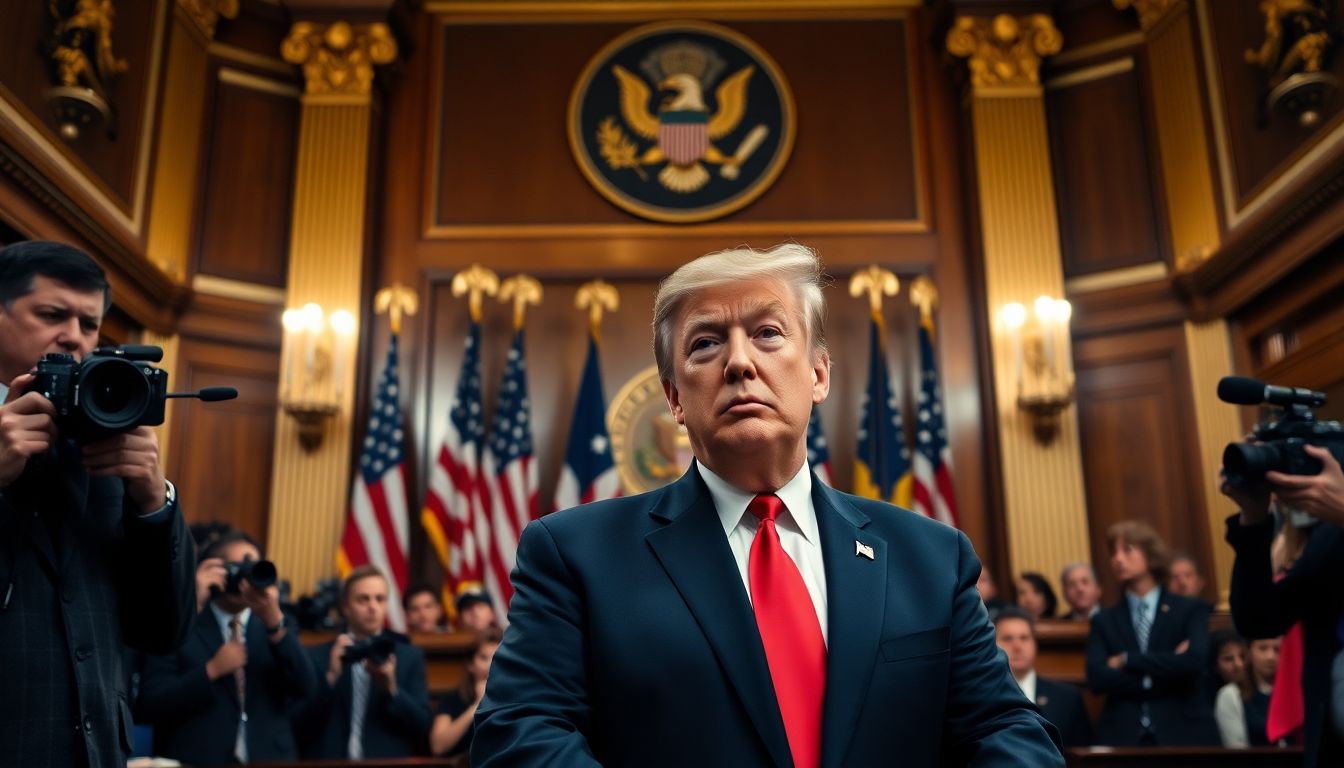
 Impeachment

Will Donald Trump Be Impeached? An In-Depth Analysis of the Possibility and Implications

Introduction

Many Americans are wondering whether Donald Trump will face impeachment again. Impeachment has always been a powerful tool for Congress to hold presidents accountable. Recently, Trump’s actions and words have fueled fresh debate about whether Congress should pursue this route again. Impeachment isn’t just about legal charges; it’s a political process that can shape the country’s future. This article explores the chances of Trump being impeached again, the factors involved, and what it could mean for the U.S.

The Impeachment Process: Legal and Political Framework

How Impeachment Works in the U.S. Constitution

Impeachment comes from the U.S. Constitution. It allows Congress to remove a president or other federal officials for misconduct. The House of Representatives has the power to initiate impeachment. If the House votes to impeach, then the case moves to the Senate for a trial. To remove someone from office, two-thirds of the Senate must agree. This process has a long history, with three presidents impeached in the past.

Criteria and Grounds for Impeachment

For impeachment, there needs to be proof of "high crimes and misdemeanors." These can include serious illegal acts or abuse of power. But politics plays a big role. Lawmakers often weigh public opinion and party loyalty when deciding. Recent debates have centered on conduct like spreading false election claims or inciting violence. Those acts are seen by some as impeachable, but opinions vary greatly.

Recent Changes and Amendments Relevant to Impeachment

Over the years, the political climate and legislative rules have changed. These shifts might influence whether Trump gets another chance at impeachment. For instance, recent laws and political norms now make it easier or harder for Congress to act. The emotional climate after past impeachments also shapes decisions today.

Historical Context and Precedents

Past U.S. Presidents Impeached and Their Outcomes

Andrew Johnson and Bill Clinton were both impeached but not removed from office. Donald Trump was impeached twice—first in 2019 and again in 2021. These cases teach us that impeachment often becomes a political fight. Sometimes, it weakens a president’s support; other times, it backfires.

Impeachment of Donald Trump: 2019 and 2021

In 2019, Trump faced charges of abuse of power and obstruction of Congress. He was acquitted in the Senate. In 2021, he was impeached for incitement of insurrection after the Capitol riot. Again, he was not removed from office. These events show how impeachment can be more political than legal.

The Role of Partisan Politics in Impeachment

Party loyalty heavily influences impeachment efforts. Democrats pushed hard against Trump, while many Republicans defended him. Public opinion and media coverage also sway lawmakers’ choices. If the political climate favors or opposes impeachment, that outcome often follows.

Current Legal and Political Factors Influencing Trump's Impeachment Chances

Investigations and Legal Proceedings

Various investigations continue into Trump’s actions. Legal issues include possible obstruction of justice and incitement of violence. These ongoing probes could produce new charges. If enough evidence appears, Congress might be more inclined to push impeachment.

Political Climate and Congressional Support

Support from congressional leaders is crucial. Many Democrats want to see Trump impeached again. Most Republicans, however, remain loyal to Trump. After recent elections, some lawmakers are cautious about losing voter support. Polls suggest public opinion is divided on whether Trump should face another impeachment.

Notable Events and Statements

Trump’s recent statements and actions keep the issue alive. For example, his comments around the 2024 elections and the Capitol riot still stir controversy. These moments could serve as grounds for impeachment if lawmakers see them as serious misconduct.

Potential Outcomes and Implications

What Impeachment Could Mean for Donald Trump

Impeachment doesn’t automatically remove Trump from politics. But it could tarnish his reputation and limit future leadership opportunities. Legally, it might lead to criminal charges later, depending on investigations. Politically, it could impact his influence in the GOP and beyond.

Broader Political and Social Impact

Impeachment fights deepen party divides. It can also influence policies and the legislative agenda. For the country, it sends a message that accountability exists. Still, it risks creating more polarization if not handled carefully.

Expert Opinions and Predictions

Many political analysts believe Trump’s chances depend on the strength of evidence and public support. Some see impeachment as likely if new charges surface. Others think it’s unlikely without bipartisan backing, which remains hard to achieve in today’s climate.

Actionable Tips for Stakeholders

  • Voters should stay informed about ongoing investigations and political debates.
  • Lawmakers must balance legal facts with public opinion.
  • Citizens can impact the process by voicing their views to representatives and engaging in civic activities.

Conclusion

The possibility of Donald Trump being impeached again depends on many factors. Legal investigations, political support, and public opinion all play a role in shaping the outcome. While it’s uncertain whether impeachment will happen, the process profoundly affects American democracy. Staying aware of how these events unfold helps us see the true power of accountability in our government. Only time will tell if Trump’s impeachment journey continues or concludes—either way, it stays one of the most pivotal stories in U.S. politics today.

Saturday, April 26, 2025

Is Elon Musk Heading for Trouble as Tesla Stock Falls?

 Image

Is Elon Musk Heading For Trouble As Tesla Stock Falls?

Introduction

Tesla's stock has taken a noticeable dip recently, sending shockwaves through the market. For many investors and fans, Tesla isn’t just about cars; it represents innovation and Elon Musk’s bold vision. But when Tesla’s stock struggles, questions about Musk’s future and the company's stability arise. Are these declines a sign of bigger trouble ahead? Understanding what's behind the stock drops is key for anyone interested in Tesla — from investors to industry watchers and lovers of tech innovation.

Tesla's Stock Performance: Current Trends and Historical Context

Overview of recent stock decline

Tesla’s stock recently fell over 20% in just a few weeks. This sharp drop surprised many, especially given Tesla’s long history of big gains. Comparing it to past highs, the stock is now well below its peak in late 2021. Historically, Tesla's stock has been volatile, with rapid rises followed by quick falls.

Factors influencing stock volatility

Part of this fall stems from broad market forces like rising interest rates and weakness in tech shares. Plus, external pressures such as economic uncertainty impact all stocks. Internal factors also play a role. Production issues or misses on earnings can quickly shake investor confidence. When Tesla reports lower-than-expected profits, the stock tends to react negatively.

Past instances of stock fluctuation and recovery

Tesla has seen similar dips before. In 2018, the stock plunged as doubts about profitability emerged, then soared again after new models and sales growth. These dips teach us that volatility is part of Tesla’s story. With patience and strong company strategies, Tesla has bounced back from previous downturns.

Key Challenges Facing Elon Musk and Tesla

Production and Supply Chain Disruptions

The global chip shortage slowed Tesla's assembly lines. Delivery delays hurt sales and impacted stock. Supply chain issues are common for automakers but hit Tesla particularly hard lately. Without enough chips or parts, production slows down.

Financial Performance and Market Expectations

Tesla’s latest quarterly earnings disappointed some analysts. Revenue and profit margins were below estimates, stirring concerns. If Tesla can't meet growth expectations, stock prices tend to fall. Delivery numbers are also under close watch; slowdowns cause investor sentiment ripples.

Regulatory and Political Risks

New rules and incentives for electric vehicles can boost Tesla, but policy changes can also harm it. Recently, some regions cut EV subsidies, potentially slowing demand. Musk’s outspoken opinions on policies have sometimes fueled regulatory scrutiny, adding uncertainty.

Competition and Market Saturation

More automakers are launching electric cars. Big names like Ford and GM are gaining ground, eating away at Tesla’s market share. Investors worry about Tesla’s long-term dominance as the EV market becomes crowded. Falling market share can lead to lower stock prices.

Elon Musk's Leadership and Public Persona – Impact on Tesla's Valuation

Musk’s influence on Tesla’s brand identity

Elon Musk is key to Tesla’s image. His bold personality fuels brand loyalty but also creates swings in stock value. A simple tweet or comment can send Tesla’s stock up or down the next day. His reputation as an innovator is a double-edged sword.

Recent controversies and their effects

Musk has faced scrutiny for social media disputes, regulatory probes, and legal battles. Some of these issues temporarily dent Tesla’s standing. When Musk lands in legal trouble or shares controversial views, the stock reacts negatively.

Risks associated with Musk’s ambitious ventures

Musk’s ventures beyond Tesla — like Neuralink or Starlink — might divert focus. If these projects stretch resources or fail to meet expectations, it could affect Tesla’s core business. Overextension raises concerns about whether Musk’s attention is spread too thin.

Expert Opinions and Market Analysis

Analysts' perspectives on Tesla's stock outlook

Many analysts believe the recent dip might be a short-term correction. Some have lowered target prices, citing market volatility and internal challenges. Others see long-term potential and recommend holding or buying on dips. The general consensus is mixed, but few predict long-term disaster.

Industry experts’ insights on Elon Musk’s strategic direction

Most experts acknowledge Musk’s bold leadership. His high-risk, high-reward approach keeps Tesla ahead, but it also causes swings. Some say Tesla’s resilience depends on its ability to adapt and execute despite external shocks. Overall, they see Musk as committed but sometimes overly optimistic.

Actionable Tips for Investors and Stakeholders

Monitoring key financial indicators

Keep an eye on Tesla’s quarterly reports. Watch for production numbers, cash flow, and supply chain updates. These stats reveal how well Tesla is managing current challenges.

Diversification strategies

Don’t rely entirely on Tesla. Spread your investments to minimize risk. A diversified portfolio protects you if Tesla faces further trouble.

Staying informed on regulatory developments

Follow policy changes in key markets. New EV incentives or regulations could boost Tesla or cause hurdles. Staying current helps you make smarter investment choices.

Evaluating Tesla’s long-term potential

Look at Tesla’s upcoming models, global expansion plans, and innovations. If they stay ahead of competitors and grow markets, the stock has room to grow despite short-term setbacks.

Conclusion

Tesla’s recent stock slump raises valid concerns. External pressures, supply chain woes, and Musk’s public persona all influence the picture. However, dips are normal in the stock market's rhythm, especially for a company like Tesla known for volatility. Musk’s resilience and Tesla’s focus on innovation suggest they’ll navigate these challenges — but investors should stay alert. Remember, understanding the bigger picture helps you make smarter decisions. Whether the trouble is looming or just part of normal market swings depends on how Tesla tackles its hurdles and keeps pushing forward. Stay informed and plan wisely. The future isn’t set in stone, but potential remains strong for Tesla and Elon Musk alike.

Missing U.S. Teen in Japan Found Dead: A Tragic End to a Dayslong Search

This is not my usual post, but I felt the need to write it. My thoughts and prayers are with the family. The search for 20-year-old James “W...