
Monday, April 28, 2025

Impact of Artificial Intelligence on Employment and Careers

 AI in the Workplace

Is AI the New Job of the Future? Exploring the Impact of Artificial Intelligence on Employment and Careers

Introduction

Artificial Intelligence (AI) is no longer just a tech buzzword. It’s rapidly changing how businesses run. From helping doctors diagnose diseases to automating factory lines, AI is everywhere. This growth sparks a big question: Will AI replace jobs or create new ones? Many wonder if AI will be the new job of the future, changing careers as we know them. Understanding this shift can help you prepare for what comes next.

The Rise of AI in the Workforce

The Evolution of Artificial Intelligence

AI has been around for decades. It started with simple programs in the 1950s. Over years, milestones like IBM’s Deep Blue beating chess champions and Alexa’s voice recognition showed progress. Today, AI can understand language, recognize images, and make decisions. Its capabilities grow as the technology gets smarter, faster, and more affordable.

AI Adoption Across Industries

Many industries were quick to adopt AI. Healthcare uses it for faster diagnoses. Banks rely on AI for fraud detection. Manufacturing plants use robots for assembly lines. AI makes operations smoother and helps managers make better choices. Its reach keeps expanding into new fields all the time.

Benefits of AI Integration

Integrating AI leads to many advantages. It boosts productivity by automating routine tasks. Companies also become more innovative with new products and services. Using AI cuts costs, which helps businesses stay competitive. Overall, AI can transform how work gets done efficiently and creatively.

Jobs AI Is Transforming or Replacing

Automated Tasks and Job Displacement

Automation hits jobs with repetitive work. In factories, robots now assemble cars faster than humans. Customer service roles are changing as chatbots handle simple questions. Data shows that many routine jobs are at risk because machines do them quicker and cheaper. Still, this shift frees people to focus on more complex tasks.

New Job Categories Emerging

While some jobs disappear, new ones grow. Companies now seek AI specialists to program and manage these systems. Data analysts are in demand to interpret AI outputs. Ethical guides on AI fairness are also emerging as an important role. These new careers help businesses harness AI’s power responsibly.

Skill Shifts in the Workplace

To stay relevant, workers need new skills. Digital literacy, problem-solving, and creativity are more important than ever. Learning how to work with AI tools becomes part of the job. Continual learning helps us adapt to a changing job scene and stay employed long-term.

The Future of Work with AI

Predictions from Industry Experts

Leaders like Satya Nadella and Sundar Pichai believe AI will create as many jobs as it replaces. The key is how quickly workers learn new skills. Experts see AI as a tool to enhance jobs, not take them all away. Trends indicate AI will keep improving, making future careers more tech-driven.

Opportunities AI Presents for Job Seekers

Fields like AI development, cybersecurity, and human-AI collaboration show promise. If you want to stay ahead, consider upskilling through online courses or certifications. Gaining knowledge in these areas can open new doors. Focus on areas where human skills and AI together shine, like creative problem-solving and emotional intelligence.

Challenges and Ethical Considerations

AI can lead to unemployment if not managed well. Economic gaps may widen, causing social issues. There are also concerns about bias in AI decisions, like hiring or lending. Responsible AI use needs strict rules and ethics. Companies and governments must work together to prevent misuse and ensure fairness.

Preparing for an AI-Integrated Job Market

Education and Training Strategies

Learning should never stop. Emphasize STEAM education—science, technology, engineering, arts, and math—that prepares us for future work. Online platforms now offer courses, boot camps, and certifications. These resources make learning accessible and fast, helping you stay competitive.

Company Initiatives and Policy Recommendations

Many firms now include training programs for their staff. Some governments push policies for reskilling workers, especially those displaced by AI. These measures help workers transition smoothly into new roles. Encouraging a culture of lifelong learning at workplaces makes a big difference.

Personal Action Plan for Job Security

Start by checking your skills gaps—what do you need to learn? Focus on adaptable skills like teamwork, communication, and tech literacy. Stay curious about new tools and trends. Emphasize qualities like creativity and emotional intelligence, which AI can’t easily replace. The more flexible you are, the better prepared you’ll be.

Conclusion

AI is a powerful force that can shake up jobs but also create new opportunities. The key lies in how we choose to adapt. Instead of fearing AI, see it as a tool to help us grow and improve. Investing in learning new skills and staying open to change will shape your future. Remember, whether AI becomes the new job of the future depends on how we embrace its potential—to empower us, not replace us.

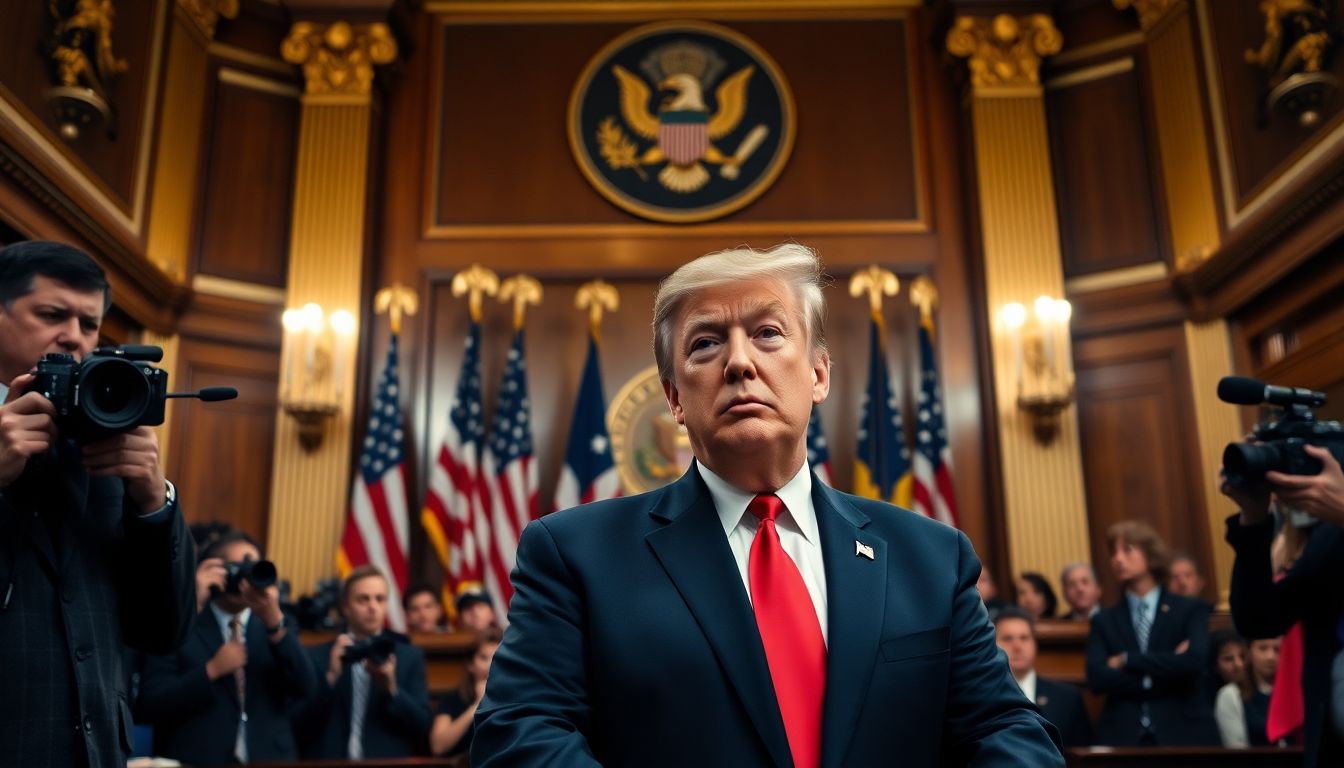
 Impeachment

Will Donald Trump Be Impeached? An In-Depth Analysis of the Possibility and Implications

Introduction

Many Americans are wondering whether Donald Trump will face impeachment again. Impeachment has always been a powerful tool for Congress to hold presidents accountable. Recently, Trump’s actions and words have fueled fresh debate about whether Congress should pursue this route again. Impeachment isn’t just about legal charges; it’s a political process that can shape the country’s future. This article explores the chances of Trump being impeached again, the factors involved, and what it could mean for the U.S.

The Impeachment Process: Legal and Political Framework

How Impeachment Works in the U.S. Constitution

Impeachment comes from the U.S. Constitution. It allows Congress to remove a president or other federal officials for misconduct. The House of Representatives has the power to initiate impeachment. If the House votes to impeach, then the case moves to the Senate for a trial. To remove someone from office, two-thirds of the Senate must agree. This process has a long history, with three presidents impeached in the past.

Criteria and Grounds for Impeachment

For impeachment, there needs to be proof of "high crimes and misdemeanors." These can include serious illegal acts or abuse of power. But politics plays a big role. Lawmakers often weigh public opinion and party loyalty when deciding. Recent debates have centered on conduct like spreading false election claims or inciting violence. Those acts are seen by some as impeachable, but opinions vary greatly.

Recent Changes and Amendments Relevant to Impeachment

Over the years, the political climate and legislative rules have changed. These shifts might influence whether Trump gets another chance at impeachment. For instance, recent laws and political norms now make it easier or harder for Congress to act. The emotional climate after past impeachments also shapes decisions today.

Historical Context and Precedents

Past U.S. Presidents Impeached and Their Outcomes

Andrew Johnson and Bill Clinton were both impeached but not removed from office. Donald Trump was impeached twice—first in 2019 and again in 2021. These cases teach us that impeachment often becomes a political fight. Sometimes, it weakens a president’s support; other times, it backfires.

Impeachment of Donald Trump: 2019 and 2021

In 2019, Trump faced charges of abuse of power and obstruction of Congress. He was acquitted in the Senate. In 2021, he was impeached for incitement of insurrection after the Capitol riot. Again, he was not removed from office. These events show how impeachment can be more political than legal.

The Role of Partisan Politics in Impeachment

Party loyalty heavily influences impeachment efforts. Democrats pushed hard against Trump, while many Republicans defended him. Public opinion and media coverage also sway lawmakers’ choices. If the political climate favors or opposes impeachment, that outcome often follows.

Current Legal and Political Factors Influencing Trump's Impeachment Chances

Investigations and Legal Proceedings

Various investigations continue into Trump’s actions. Legal issues include possible obstruction of justice and incitement of violence. These ongoing probes could produce new charges. If enough evidence appears, Congress might be more inclined to push impeachment.

Political Climate and Congressional Support

Support from congressional leaders is crucial. Many Democrats want to see Trump impeached again. Most Republicans, however, remain loyal to Trump. After recent elections, some lawmakers are cautious about losing voter support. Polls suggest public opinion is divided on whether Trump should face another impeachment.

Notable Events and Statements

Trump’s recent statements and actions keep the issue alive. For example, his comments around the 2024 elections and the Capitol riot still stir controversy. These moments could serve as grounds for impeachment if lawmakers see them as serious misconduct.

Potential Outcomes and Implications

What Impeachment Could Mean for Donald Trump

Impeachment doesn’t automatically remove Trump from politics. But it could tarnish his reputation and limit future leadership opportunities. Legally, it might lead to criminal charges later, depending on investigations. Politically, it could impact his influence in the GOP and beyond.

Broader Political and Social Impact

Impeachment fights deepen party divides. It can also influence policies and the legislative agenda. For the country, it sends a message that accountability exists. Still, it risks creating more polarization if not handled carefully.

Expert Opinions and Predictions

Many political analysts believe Trump’s chances depend on the strength of evidence and public support. Some see impeachment as likely if new charges surface. Others think it’s unlikely without bipartisan backing, which remains hard to achieve in today’s climate.

Actionable Tips for Stakeholders

  • Voters should stay informed about ongoing investigations and political debates.
  • Lawmakers must balance legal facts with public opinion.
  • Citizens can impact the process by voicing their views to representatives and engaging in civic activities.

Conclusion

The possibility of Donald Trump being impeached again depends on many factors. Legal investigations, political support, and public opinion all play a role in shaping the outcome. While it’s uncertain whether impeachment will happen, the process profoundly affects American democracy. Staying aware of how these events unfold helps us see the true power of accountability in our government. Only time will tell if Trump’s impeachment journey continues or concludes—either way, it stays one of the most pivotal stories in U.S. politics today.

Saturday, April 26, 2025

Is Elon Musk Heading for Trouble as Tesla Stock Falls?

 Image

Is Elon Musk Heading For Trouble As Tesla Stock Falls?

Introduction

Tesla's stock has taken a noticeable dip recently, sending shockwaves through the market. For many investors and fans, Tesla isn’t just about cars; it represents innovation and Elon Musk’s bold vision. But when Tesla’s stock struggles, questions about Musk’s future and the company's stability arise. Are these declines a sign of bigger trouble ahead? Understanding what's behind the stock drops is key for anyone interested in Tesla — from investors to industry watchers and lovers of tech innovation.

Tesla's Stock Performance: Current Trends and Historical Context

Overview of recent stock decline

Tesla’s stock recently fell over 20% in just a few weeks. This sharp drop surprised many, especially given Tesla’s long history of big gains. Comparing it to past highs, the stock is now well below its peak in late 2021. Historically, Tesla's stock has been volatile, with rapid rises followed by quick falls.

Factors influencing stock volatility

Part of this fall stems from broad market forces like rising interest rates and weakness in tech shares. Plus, external pressures such as economic uncertainty impact all stocks. Internal factors also play a role. Production issues or misses on earnings can quickly shake investor confidence. When Tesla reports lower-than-expected profits, the stock tends to react negatively.

Past instances of stock fluctuation and recovery

Tesla has seen similar dips before. In 2018, the stock plunged as doubts about profitability emerged, then soared again after new models and sales growth. These dips teach us that volatility is part of Tesla’s story. With patience and strong company strategies, Tesla has bounced back from previous downturns.

Key Challenges Facing Elon Musk and Tesla

Production and Supply Chain Disruptions

The global chip shortage slowed Tesla's assembly lines. Delivery delays hurt sales and impacted stock. Supply chain issues are common for automakers but hit Tesla particularly hard lately. Without enough chips or parts, production slows down.

Financial Performance and Market Expectations

Tesla’s latest quarterly earnings disappointed some analysts. Revenue and profit margins were below estimates, stirring concerns. If Tesla can't meet growth expectations, stock prices tend to fall. Delivery numbers are also under close watch; slowdowns cause investor sentiment ripples.

Regulatory and Political Risks

New rules and incentives for electric vehicles can boost Tesla, but policy changes can also harm it. Recently, some regions cut EV subsidies, potentially slowing demand. Musk’s outspoken opinions on policies have sometimes fueled regulatory scrutiny, adding uncertainty.

Competition and Market Saturation

More automakers are launching electric cars. Big names like Ford and GM are gaining ground, eating away at Tesla’s market share. Investors worry about Tesla’s long-term dominance as the EV market becomes crowded. Falling market share can lead to lower stock prices.

Elon Musk's Leadership and Public Persona – Impact on Tesla's Valuation

Musk’s influence on Tesla’s brand identity

Elon Musk is key to Tesla’s image. His bold personality fuels brand loyalty but also creates swings in stock value. A simple tweet or comment can send Tesla’s stock up or down the next day. His reputation as an innovator is a double-edged sword.

Recent controversies and their effects

Musk has faced scrutiny for social media disputes, regulatory probes, and legal battles. Some of these issues temporarily dent Tesla’s standing. When Musk lands in legal trouble or shares controversial views, the stock reacts negatively.

Risks associated with Musk’s ambitious ventures

Musk’s ventures beyond Tesla — like Neuralink or Starlink — might divert focus. If these projects stretch resources or fail to meet expectations, it could affect Tesla’s core business. Overextension raises concerns about whether Musk’s attention is spread too thin.

Expert Opinions and Market Analysis

Analysts' perspectives on Tesla's stock outlook

Many analysts believe the recent dip might be a short-term correction. Some have lowered target prices, citing market volatility and internal challenges. Others see long-term potential and recommend holding or buying on dips. The general consensus is mixed, but few predict long-term disaster.

Industry experts’ insights on Elon Musk’s strategic direction

Most experts acknowledge Musk’s bold leadership. His high-risk, high-reward approach keeps Tesla ahead, but it also causes swings. Some say Tesla’s resilience depends on its ability to adapt and execute despite external shocks. Overall, they see Musk as committed but sometimes overly optimistic.

Actionable Tips for Investors and Stakeholders

Monitoring key financial indicators

Keep an eye on Tesla’s quarterly reports. Watch for production numbers, cash flow, and supply chain updates. These stats reveal how well Tesla is managing current challenges.

Diversification strategies

Don’t rely entirely on Tesla. Spread your investments to minimize risk. A diversified portfolio protects you if Tesla faces further trouble.

Staying informed on regulatory developments

Follow policy changes in key markets. New EV incentives or regulations could boost Tesla or cause hurdles. Staying current helps you make smarter investment choices.

Evaluating Tesla’s long-term potential

Look at Tesla’s upcoming models, global expansion plans, and innovations. If they stay ahead of competitors and grow markets, the stock has room to grow despite short-term setbacks.

Conclusion

Tesla’s recent stock slump raises valid concerns. External pressures, supply chain woes, and Musk’s public persona all influence the picture. However, dips are normal in the stock market's rhythm, especially for a company like Tesla known for volatility. Musk’s resilience and Tesla’s focus on innovation suggest they’ll navigate these challenges — but investors should stay alert. Remember, understanding the bigger picture helps you make smarter decisions. Whether the trouble is looming or just part of normal market swings depends on how Tesla tackles its hurdles and keeps pushing forward. Stay informed and plan wisely. The future isn’t set in stone, but potential remains strong for Tesla and Elon Musk alike.

Friday, March 14, 2025

Is President Trump Just a Puppet for Something More ?


Is President Trump Just a Puppet

Is President Trump Just a Puppet? Unraveling the Theories

Was President Trump really calling the shots? Or was someone else pulling the strings? The idea of a "puppet" in politics isn't new. It means a leader who seems controlled by outside forces. This article dives into the different ideas about who, if anyone, might have influenced Trump's decisions. Let's get into it.

Decoding the "Puppet Master" Allegations

People often wonder, was Trump his own man? Or was he a tool for others? We'll look at how this question has been asked and answered. It's important to see different sides of the story.

A. Defining "Puppet" in a Political Arena

A political "puppet" is a leader who looks like they're in charge. But in reality, they're doing what someone else wants. This could be a foreign power, a rich donor, or even a powerful advisor. The puppet leader makes decisions that benefit the hidden controller.

B. Common Accusations Against Trump

Many people have accused Trump of being a puppet. Some say Russia controlled him. Others point to wealthy business people. Still, others think conservative media was the real influence. These accusations raise big questions about who shaped his presidency.

C. Public Perception and Media Portrayal

The media often showed Trump as easily influenced. Political cartoons and news stories painted this picture. Public opinion was split. Some believed he was a strong leader. Others saw him as someone else's tool. How the media presented him played a big role in how people viewed his power.

II. The Russia Connection: A Web of Influence?

Did Russia meddle in the 2016 election? Did Trump have secret ties to Russia? These questions fueled the idea that Russia controlled him.

A. Investigating Russian Interference

The Mueller Report investigated Russian meddling. It found that Russia tried to interfere, but it didn't find enough proof that Trump's campaign worked with Russia directly. Other investigations also explored these claims, leaving many questions unanswered about Russia's true role.

B. Key Figures and Their Alleged Roles

Several people were suspected of being go-betweens. They supposedly connected Trump and Russia. People like Michael Flynn and Paul Manafort faced scrutiny. Their connections to Russia raised eyebrows. The public wondered if they influenced Trump's actions.

C. Impact on US Foreign Policy

Some believe the Russia situation impacted Trump's foreign policy. They point to his friendly comments about Vladimir Putin. Others argue that his policies were tough on Russia. This debate shows how complicated the issue is.

III. The Role of Wealth and Special Interests

Money talks in politics. Did wealthy donors and lobbyists influence Trump? Lets take a look.

A. Campaign Finance and Lobbying

Campaign money can open doors. Lobbyists try to sway politicians. Trump got a lot of money from rich people and corporations. This led some to believe they had his ear. Was he really representing ordinary citizens or just the wealthy?

B. Corporate Influence on Policy

Some policies seemed to favor big business. Tax cuts benefited corporations. Environmental rules were loosened. Critics said Trump was helping his rich friends. Others argued these policies helped the economy.

C. The Swamp or Business as Usual?

Trump promised to "drain the swamp," which meant getting rid of corruption in Washington. Some say he did, but others argue he made it worse. They say he just replaced one set of insiders with another.

IV. Ideological Influences and the Rise of Populism

Trump tapped into a powerful feeling: populism. How did this, and conservative ideas, affect his policies?

A. The Influence of Conservative Media

Fox News and other conservative outlets supported Trump. They pushed his message. Some say they shaped his policies too. They acted like an echo chamber.

B. Populism and Nationalism: A Driving Force

Populism is about appealing to ordinary people. Nationalism puts the country first. These ideas drove Trump's agenda. He promised to bring back jobs. He wanted to build a wall on the border. These promises resonated with many voters.

C. Navigating Ideological Divides

Trump's policies deepened social divides. Some people loved him. Others hated him. His presidency was a time of great division.

V. Evaluating Trump's Decision-Making Process

How did Trump make decisions? Did he listen to others? Or did he just do what he wanted?

A. Trump's Leadership Style: Autocratic or Collaborative?

Trump had a unique leadership style. Some called it autocratic, or one-man rule. Others say he listened to advisors. His style definitely impacted how he made decisions.

B. Key Advisors and Their Influence

People like Steve Bannon and Jared Kushner had Trump's ear. They pushed different ideas. How much influence did they really have? It's hard to say for sure, but there's no doubt they shaped his presidency.

C. Fact vs. Fiction: Separating Truth from Conspiracy

It's important to be critical. Don't believe everything you read online. Look for reliable sources. Think for yourself.

Conclusion

So, was Trump a puppet? It's a complicated question. There's no easy answer. Many people and forces tried to influence him. Whether they succeeded is up for debate. Don't just take my word for it, though. Stay informed. Think critically. Get involved. It's your country, so shape it.

Tuesday, February 25, 2025

Trump is letting Elon Musk run free in our Government


The relationship between Elon Musk and the Trump administration has sparked considerable debate and concern, raising questions about the potential influence of a private individual on government policy and national security. While not holding an official government position, Musk's interactions with Trump and his administration and his business interests in sectors vital to national security have fueled speculation about the extent of his influence.

Areas of Concern:

  • Access and Influence: Musk's companies, such as SpaceX and Tesla, operate in areas of strategic importance, including space exploration, defense, and energy. This has led to government contracts and collaborations. Critics argue that Musk's access to high-ranking officials, including Trump, could provide him with undue influence over policy decisions related to these sectors.
  • Potential Conflicts of Interest: Musk's business interests may not always align with the public interest or national security goals. For example, decisions regarding government contracts or regulations could be influenced by Musk's financial interests or the priorities of his companies.
  • National Security Risks: Musk's companies are involved in sensitive areas such as satellite technology and cybersecurity. Concerns have been raised about the potential for foreign adversaries to exploit Musk's connections or access sensitive information for their own purposes.
  • Erosion of Democratic Norms: The perception that a private individual can exert significant influence over government policy can undermine public trust in democratic institutions and processes.

Counterarguments:

  • Expertise and Innovation: Musk's companies have made significant contributions to technological innovation in areas of national importance. Some argue that his involvement with the government is necessary to leverage his expertise and advance national interests.
  • Economic Benefits: Musk's companies have created jobs and contributed to economic growth. Supporters argue that his collaboration with the government can further stimulate economic activity and technological advancement.
  • Transparency and Oversight: Government contracts and collaborations with Musk's companies are subject to legal and regulatory oversight. This helps to ensure accountability and prevent abuse of power.

Conclusion:

The relationship between Elon Musk and the Trump administration raises legitimate concerns about the potential for undue influence and conflicts of interest. While Musk's expertise and innovation may be valuable assets, it is crucial to ensure that his involvement with the government is transparent, accountable, and consistent with democratic norms and national security interests. A careful balance must be struck between leveraging private sector expertise and safeguarding the integrity of government decision-making processes.

Monday, December 9, 2024

Will World War 3 Happen? Assessing the Risk

 Will World War 3 Happen? Assessing the Risk

The world feels tense these days. News headlines remind us of battles and unrest in different parts of the globe. The question looms large: Could we see World War 3? Understanding the factors that might lead us there is vital.

The Current Geopolitical Landscape: A Powder Keg?

The geopolitical landscape is more complex than ever. Here are key factors creating the potential for conflict:

  • Rivalries among Superpowers: Countries like the U.S., China, and Russia are often at odds.
  • Tensions in Hot Spots: Areas like the South China Sea and Eastern Europe are dangerous.
  • Alliances: NATO and other alliances create a web of commitments that can lead to greater involvement.

Historical Parallels and Lessons Learned

History can guide us. The causes of past wars, such as World War 1 and 2, stemmed from:

  • Imperialism: Nations sought to expand their power.
  • Nationalism: Fierce pride in one's country led to unchecked aggression.
  • Entangled Alliances: One country’s conflict quickly pulled in others.

These historical lessons remind us that failure to communicate and cooperate can lead to devastating outcomes.

Why This Question Matters Today

Understanding the risk of World War 3 matters because it affects everyone. Global peace impacts trade, security, and everyday life. Awareness can spark discussions and actions to prevent conflict.

The Rising Threat of Global Instability

The Ukraine Conflict and its Global Implications

The conflict in Ukraine is more than a local issue. It has rippled through the global economy and politics. Countries are choosing sides, creating an unstable environment.

Nuclear Proliferation and the Threat of Escalation

Countries have been steadily increasing their nuclear arsenals. More atomic weapons raise the stakes, making any conflict potentially catastrophic. The fear of nuclear war looms large, much like thunder before a storm.

Cyber Warfare and the Erosion of Trust

Cyber warfare is the modern battlefield. Nations hack into each other’s systems, stealing secrets and causing chaos. This loss of trust complicates diplomacy and increases the likelihood of conflicts.

Economic Factors Fueling Global Tension

The Impact of Resource Scarcity on International Relations

As resources like water and energy grow scarcer, nations may compete fiercely over them. This scarcity can ignite conflicts, leading to wider disputes.

Global Trade Wars and Economic Sanctions

Trade wars can escalate quickly. Tariffs and sanctions harm economies and create animosity, making countries less willing to cooperate.

The Rise of Populism and Nationalism

Populist leaders often focus on national interests, sometimes at the expense of global cooperation. This can lead to isolationist policies that further strain relationships between countries.

The Role of Misinformation and Propaganda

The Spread of Disinformation and its Impact on Public Opinion

Misinformation spreads like wildfire. False narratives can fuel anger and division, leading to heightened tensions domestically and internationally.

The Weaponization of Social Media and Online Platforms

Social media can be a double-edged sword. While it connects people, it can also become a tool for spreading propaganda, creating distrust among nations.

Countering Misinformation and Promoting Media Literacy

Promoting media literacy helps people recognize false information. Educating citizens on reliable sources can build a more informed public, which is vital for democratic stability.

The Potential for Accidental War

Human Error and Miscalculation in Military Operations

Mistakes can trigger conflicts. Human errors in communication or operations are dangerous, especially in tense environments.

Escalation Dynamics and the Risk of Unintended Consequences

One action can lead to a series of reactions. A small incident can spiral out of control and change the landscape of global peace dramatically.

The Role of Military Technology and Automation

Advancements in military tech, like drones and AI, make operations faster but may also increase the likelihood of errors. This technology is both a tool and a potential threat.

Steps Towards Preventing World War 3

Strengthening International Diplomacy and Cooperation

Open dialogue is crucial. Building relationships between countries can reduce misunderstandings and help resolve conflicts before they escalate.

Investing in Conflict Resolution and Peacebuilding

Prevention is better than cure. Funding programs focused on peace and conflict resolution can maintain global stability.

Promoting Global Understanding and Empathy

Understanding different cultures fosters connections. Empathy can turn potential enemies into allies, creating a safer world.

Conclusion: Navigating the Uncertain Future

Key Takeaways and Predictions

While tensions are high, opportunity remains for peace. Collective action and open dialogue can pave the way for cooperation.

The Urgent Need for Collective Action

We must all be involved. Citizens and leaders alike need to champion peace and stand against misinformation.

A Call for Hope and Vigilance

While uncertainty looms, hope and awareness can guide our path. By fostering peace, we can dance away from the brink of conflict and aim for a brighter future.

The question remains, will there be a World War 3? Only time will tell, but proactive steps can steer us toward a more peaceful world.

Tuesday, December 3, 2024

Analyzing the Impact of Plan 2025: Will it be a Blessing or Curse for Humanity?

 Plan 2025: A New Era

Plan 2025: Humanity's Blessing or Curse? A Critical Analysis

Introduction: A World Transformed

The world is on the brink of significant changes with Plan 2025. This ambitious initiative promises to reshape economies, societies, and the environment. As we stand at this crossroads, the question remains: Will it be a blessing or a curse for humanity? As we explore the plan’s goals and implications, we uncover the exciting prospects and daunting challenges it presents.

The Dawn of a New Era: Setting the Stage for Plan 2025

Plan 2025 emerges from the need for advancement in various sectors. It aims to improve economic stability, foster social equity, and address urgent environmental challenges. This plan's pivotal nature sets the stage for profound shifts on a global scale.

Unveiling the Ambitions: What Plan 2025 Aims to Achieve

The primary focus areas of Plan 2025 include:

  • Economic growth and job creation
  • Social reform and increased equity
  • Environmental sustainability and climate action

The Stakes are High: Potential Blessings and Potential Curses

While Plan 2025 holds promise, it also carries risks. Its successes could lead to unprecedented improvements in our lives, but failures might exacerbate existing inequalities and environmental issues.

Section 1: Economic Impacts of Plan 2025

Projected Growth and Development: A Boon for Global Economies?

Plan 2025 is projected to stimulate economic growth worldwide. Economies may see:

  • Increased investments in tech innovation
  • Job creation across various sectors
  • Improved infrastructure leading to better connectivity

Distributional Effects: Who Benefits and Who Loses Out?

Despite potential growth, not everyone may benefit equally. Concerns arise that:

  • Wealth could be concentrated among the elite, leaving others behind
  • Workers in traditional industries may face job loss
  • Rural areas might see slower development compared to urban centers

Case Studies: Analyzing Real-World Economic Impacts

Examples from previous large-scale initiatives, like the European Union's Green Deal, showcase mixed outcomes, with success in some regions and challenges in others. Learning from these cases is vital for maximizing Plan 2025's potential.

Section 2: Social Implications of Plan 2025

Shifts in Social Structures: Impacts on Communities and Families

Plan 2025 is set to change social dynamics. Key implications include:

  • Changes in family roles with increased women’s participation in the workforce
  • Potential rise in community engagement through collaborative projects
  • Risks of increased social dislocation due to rapid changes

Technological Advancements and Their Social Consequences

The push for tech innovation could enhance daily life but also poses challenges:

  • Automation might replace low-skill jobs
  • Increased screen time could affect mental health
  • Digital divides may widen between different demographic groups

Expert Opinions on Social Change and Adaptation

Thought leaders emphasize the importance of adapting to these changes. Efforts must focus on education, retraining, and fostering inclusivity to ensure all can thrive.

Section 3: Environmental Consequences of Plan 2025

Sustainability Concerns: Protecting the Planet in the Face of Growth

Balancing growth with environmental preservation is critical. It’s essential to:

  • Implement green technologies
  • Invest in renewable energy sources
  • Promote practices that protect biodiversity

Resource Depletion and Environmental Damage: Mitigation Strategies

With increased demands on resources, mitigation strategies will be necessary. These could involve:

  • Encouraging sustainable consumption
  • Developing policies to reduce waste
  • Fostering conservation efforts and ecological restoration

Data-Driven Analysis: Assessing the Environmental Footprint

Analyzing data will be key to understanding the impacts of Plan 2025. Tools like environmental impact assessments will help stakeholders track progress and adapt accordingly.

Section 4: Geopolitical Ramifications of Plan 2025

Shifting Power Dynamics: Reshaping the Global Order

As nations embrace Plan 2025, geopolitical landscapes may shift. Changes could include:

  • The emergence of new economic powerhouses
  • Realignment of alliances based on mutual interests in sustainability
  • Increased competition for resources

International Cooperation: Necessary for Success or a Source of Conflict?

Global cooperation is crucial but may also lead to conflicts. Navigating these waters will require:

  • Strategic partnerships for tech sharing
  • Clear guidelines for resource management
  • Open channels for dialogue to reduce tensions

Analyzing the Geopolitical Landscape: Predictions and Uncertainties

Expert analyses suggest that unpredictability is part of this transformation. The future may hold both promise and peril, and careful monitoring will be essential.

Section 5: Addressing Potential Risks and Challenges

Mitigating Negative Impacts: Proactive Strategies for Risk Reduction

Proactive measures can minimize adverse effects. This includes:

  • Establishing regulatory frameworks to protect vulnerable populations
  • Encouraging corporate responsibility in business practices
  • Supporting local initiatives that align with broader goals

Adapting to Change: Building Resilience for a Changing World

Resilience will be necessary for communities to thrive. Strategies for building resilience may involve:

  • Investing in education and skills training
  • Promoting community-led initiatives
  • Enhancing mental health support systems

Ensuring Equitable Outcomes: Promoting Social Justice and Inclusion

Equity must remain a priority. To achieve this, stakeholders can:

  • Facilitate access to resources and opportunities for all
  • Involve diverse voices in decision-making processes
  • Monitor progress to ensure no one is left behind

Conclusion: Navigating the Future of Plan 2025

Key Takeaways: Summarizing the Analysis

Plan 2025 holds transformative potential while posing significant risks. The balance between progress and challenges will define its legacy.

Call to Action: Engaging in Informed Discussion and Debate

As this plan unfolds, public engagement is vital. Open dialogue around its impacts can lead to better outcomes and informed decision-making.

Looking Ahead: The Long-Term Impact of Plan 2025 on Humanity

While the future is uncertain, proactive measures will be essential. Engaging all stakeholders can ensure that the journey towards Plan 2025 becomes one of collective growth and sustained well-being for all.

Tuesday, November 26, 2024

How Trump Might Make America Worse Again: Analyzing the Potential Impact of His Policies and Rhetoric

 The political landscape in the United States has been a battleground of ideas, ideologies, and policies for decades, but few figures have polarized public opinion like Donald J. Trump. His ascent to power, characterized by catchy slogans and a distinct style, reshaped the Republican Party and broader political discourse. However, as he contemplates a return to the political arena, many critics are concerned about the implications of a second Trump presidency and how it could exacerbate existing issues in America.

Economic Disparities

One of the chief criticisms of Trump's previous administration revolved around economic policies that arguably favored the wealthy over the middle and lower classes. Tax cuts in 2017 disproportionately benefited corporations and high-income earners, widening the wealth gap. If Trump were to reinstate similar policies, the implications for socioeconomic disparity could be severe, potentially leaving millions behind and stifling economic mobility.

Moreover, Trump's tariffs and international trade approach could escalate tensions with global partners. His administration's trade war with China impacted various American industries, including agriculture. If a second term were to mirror his first in trade policy, it could exacerbate job losses and drive up consumer prices, further harming everyday Americans.

Erosion of Democratic Norms

During his presidency, Trump frequently challenged democratic norms and institutions, leading to concerns about the robustness of American democracy. His refusal to accept the results of the 2020 election and the subsequent events of January 6, 2021, raised alarms about the state of political discourse and the potential for political violence. A return to power may embolden similar rhetoric and actions, undermining the foundations of democratic governance in the United States.

This erosion could manifest in various ways: attempts to delegitimize the electoral process, suppression of voter rights, and undermining independent institutions. Such actions could deepen divisions within the country, leading to an environment where dissent is viewed as treachery rather than a hallmark of democracy.

Environmental Policies

Trump’s administration was marked by significant rollbacks of environmental regulations aimed at combating climate change. From withdrawing the U.S. from the Paris Agreement to loosening restrictions on emissions and habitat protections, the consequences of these policies were far-reaching. As climate change accelerates, a return to Trump’s environmental policies could result in even more damage to the planet, placing economic interests above the long-term health of the environment.

Critics argue that neglecting climate initiatives will disproportionately affect vulnerable communities, leading to health crises and economic hardships that could reverse progress made in recent years. Given the growing urgency of climate action, a Trump-led approach could stifle innovation and sustainable practices vital for the economy and ethics of stewardship.

Social Division and Rhetoric

Perhaps one of the most significant concerns about Donald Trump's influence is his handling of social issues and the divisive rhetoric that often accompanies his speeches. His tendency to provoke conflict around racial, gender, and immigrant issues has caused deep societal fractures. If Trump were to return to the presidency, the likelihood of further polarizing narratives might increase, pushing America toward a more unstable social climate.

Racial tensions, debates over immigration policy, and LGBTQ+ rights, which have already been contentious, may reach new heights, further entrenching divides. Such an environment could lead to increased social unrest, undermine community cohesion, and hinder national progress on critical social issues.

Conclusion

As Donald Trump considers a bid for the presidency once more, the implications of his policies and rhetoric loom large. From deepening economic disparities to threatening the integrity of democracy and exacerbating environmental crises, the potential for America to become worse again is a pressing concern for many citizens. While his supporters point to his previous successes, it is crucial to critically evaluate the broader societal impacts of his approach.

In an era defined by polarization and uncertainty, Americans must grapple with the question of leadership: what kind of country do we aspire to be? A collective reckoning may well determine if the nation can navigate these challenges or if it will fall further into the depths of division and discord. Ultimately, the choice is in the hands of the electorate, who will decide whether they want to make America better again or allow it to become worse once more.

Saturday, September 21, 2024

Did Trump Say Immigrants Are Eating Our Pets? Analyzing the Latest Controversy

 In the fast-paced world of social media and sensational news headlines, statements from political figures can quickly go viral, often leading to misconceptions and debates. One such recent incident involves former President Donald Trump and a bizarre claim that has left many scratching their heads: Did he really say that immigrants are eating our pets?

The Context

The statement emerged during a campaign event where Trump was discussing various issues surrounding immigration and border security. In a speech that took a dramatic turn, he reportedly claimed that immigrants pose a threat not only in terms of crime and economic competition but also in more absurd terms. As the quote circulated on social media, it was accompanied by a mixture of skepticism and disbelief.

Fact-Checking the Claim

To address the issue, media outlets and fact-checking organizations dove into the details. Upon investigation, they found that while Trump did make a comment that could be interpreted in such a manner, the full context of his remarks was lost in translation within the media frenzy.

Some sources argue that the statement was taken out of context and that he was metaphorically speaking about how immigrants could disrupt traditional American lifestyles—though the imagery of "eating pets" was that of an exaggerated metaphor gone awry. Social media users quickly seized on the phrase as an example of the bizarre language often attributed to Trump, sparking memes and discussions.

The Public’s Reaction

Trump's supporters and detractors reacted with fervor. Supporters often dismissed the outcry as an example of liberal exaggeration and media bias, pointing to what they saw as an outright misinterpretation of Trump's intentions. On the other hand, critics seized on the remark as further evidence of Trump’s allegedly cruel and inflammatory rhetoric, questioning his grasp on reality and the implications of such statements in the political landscape.

Concerns about how such words affect social discourse and the rising climate of fear about immigration among certain communities were raised. The absurdity of the claim also prompted conversations about how political figures use shock value to engage voters and rally support.

Is He Okay?

This inquiry raises broader questions about Trump's state of mind and his approach to communication as he ramps up for another potential presidential campaign. Many political analysts and psychologists have noted that Trump often resorts to hyperbolic language to connect with his base and invigorate his supporters. However, the line between engaging and alienating becomes increasingly thin when such remarks are made.

Furthermore, "Is he okay?" extends beyond just this incident. The former president's mental acuity and approach to candidacy have been discussed since his term ended. With sporadic outbursts and unfiltered remarks, many have speculated on whether he remains in touch with mainstream concerns or if his rhetoric is increasingly out of step with reality.

Conclusion

While it’s uncertain whether Donald Trump's comments about immigrants and pets were a serious statement or a misguided metaphor, they reflect a pattern of political discourse that grips America—hyperbole, sensationalism, and the questioning of basic humanitarian values. As the conversation surrounding immigration continues to be a hot-button issue, public figures must communicate with clarity and sensitivity.

In politics, clarity can be just as important as conviction. If there's one takeaway from this incident, it may be that ensuring our leaders stay connected to reality—both for their sake and for the public’s—is vital for healthy democratic discourse. In the end, the phrasing of Trump's remarks may fade into the background of political chatter, but the implications of our leaders' words and ideas will linger on in the collective consciousness.

Monday, September 16, 2024

The Controversial Legacy of Donald Trump: Analyzing the Repeated Assassination Threats

 In the tumultuous political landscape of the United States, few figures have proved as polarizing as Donald Trump. Since his rise to prominence, the former president has garnered a passionate following as well as fervent opposition. This dichotomy has inevitably led to a disturbing trend: repeated assassination threats against him. Understanding the underlying reasons for these threats requires a nuanced examination of Trump’s political style, divisive rhetoric, and the broader societal context.

The Nature of Polarization

One of the most significant contributors to the threats against Trump is the intense polarization that characterizes modern American politics. Over the last few decades, political affiliation has evolved from a mere ideological distinction to a defining aspect of personal identity. Trump, a figure emblematic of this transformation, has often used incendiary language to galvanize supporters while alienating his opponents. His comments, whether on immigration, race relations, or foreign policy, have sparked outrage and incited fervent reactions across the political spectrum.

Polarization can lead to the dehumanization of opponents, where individuals are seen not just as people with different views but as existential threats. This view can create a fertile ground for extreme actions, including threats of violence. For a segment of the populace, Trump's presidency has represented a "battle" that they believe justifies radical actions, including assassination attempts.

The Role of Populism and Cult of Personality

Trump’s political approach is also steeped in populism, characterized by his ability to position himself as a champion of the "common people" against a corrupt elite. This narrative fosters a deep emotional connection with supporters who feel disenfranchised or marginalized by mainstream politics. However, such a fervent following can produce a toxic cult of personality. Followers can become so enamored with their leader that they perceive any criticism as a threat to their identity and beliefs, and any perceived attack on Trump as an attack worth retaliating against.

The idolization of Trump can lead to radical behaviors among his most ardent supporters. There is a danger inherent in the intense loyalty that can lead individuals to adopt extreme measures in defense of their chosen leader, including violence.

Social Media and Incitement

The role of social media in exacerbating threats against Trump cannot be overstated. Platforms like Twitter and Facebook have transformed political messaging, allowing for rapid dissemination of ideas and opinions. While this democratization of communication can foster healthy dialogue, it can also serve as a conduit for extremist rhetoric.

During Trump's presidency, social media became a battleground for heated exchanges, and various online communities cultivated a sense of urgency and vigilance among supporters. During this period, conspiracy theories and calls for violence proliferated in many informal forums. The anonymity and distance afforded by online interactions can embolden individuals to express extreme thoughts they might not consider in face-to-face situations, leading to thoughts of violence that culminate in actual threats.

The Influence of Political Rhetoric

Furthermore, Trump’s frequent use of incendiary rhetoric has been criticized for normalizing aggressive political discourse. Descriptions of opponents as enemies and calls to action can embolden individuals with violent tendencies. The rhetoric employed by political leaders can set the tone for how their followers engage with each other and the opposition.

While many political leaders have faced threats, the frequency and intensity of threats against Trump differ, partly because of how he has chosen to engage with the political discourse. He has often relied on aggression rather than compromise, which may perpetuate an expectation among some followers that extreme actions are acceptable and necessary.

Conclusion: A Complex Web of Factors

In conclusion, the repeated assassination threats against Donald Trump can be attributed to several interconnected factors: the deepening political polarization in the United States, the emotional weight of populism and cult-like devotion among followers, the amplifying role of social media, and the aggressive political rhetoric that has become more common in recent years.

As the political climate continues to evolve, leaders on all sides must recognize the responsibility they hold in shaping discourse. The normalization of violence is a troubling trend that affects not only individual leaders but the fabric of democratic society itself. Fostering a culture of dialogue rather than division is essential to mitigating threats and safeguarding the well-being of political figures and citizens alike.


Friday, September 13, 2024

Racism in 2024: Why It Still Exists and How We Can Address It

 As we navigate through 2024, the dialogue around racism continues to be a critical conversation across societies globally. Despite significant progress in the fight for racial equality, racism remains an insidious issue that pervades many aspects of life. Understanding why it persists is the first step toward combating it effectively.

The Historical Context

Racism has deep historical roots, embedded in the fabric of societies worldwide. From colonialism and slavery to segregation and systemic discrimination, the past has shaped the present. These historical injustices have created enduring disparities in wealth, education, and opportunities for marginalized communities. While laws have changed and overt racism has been challenged, the remnants of these historical injustices still influence contemporary societal structures.

Systemic Nature of Racism

Racism is not just a personal prejudice; it is often systemic. Systems of power, privilege, and bias continue to exist in institutions such as education, healthcare, law enforcement, and employment. This systemic nature means that even with the best intentions, individuals can perpetuate racial inequalities simply by moving through life within these flawed systems. For instance, studies consistently show that people of color often receive lower-quality healthcare, face higher rates of incarceration, and encounter barriers to employment that whites do not.

Socialization and Cultural Narratives

Racism is also perpetuated through socialization and cultural narratives. Children learn from their environment—whether it’s family, media, or community—and these influences can unwittingly shape their beliefs about race. Stereotypes and biases can be deep-seated, often going unnoticed until they manifest in harmful ways. In 2024, misinformation and echo chambers within social media exacerbate these issues, allowing harmful ideas to gain traction and influencing public perception in dangerous ways.

Economic Disparities

Economic inequality remains a significant contributing factor to the persistence of racism. In many parts of the world, systemic economic disparities result in communities of color facing greater challenges in achieving financial stability. These disparities often lead to cycles of poverty, limited access to quality education, and reduced opportunities for upward mobility. As long as economic equity remains unaddressed, the racial divides will continue to widen, fueling resentment and fear.

The Role of Fear and Scapegoating

Fear, particularly in times of uncertainty, can lead to the scapegoating of racial or ethnic minorities. In 2024, with global challenges such as climate change, economic upheaval, and political instability, many people look for someone to blame. This fear can manifest in overt acts of racism and xenophobia, isolating minority communities and making them targets of hostility. The interplay between these fears and the desire for belonging can reinforce existing prejudices and heighten societal tensions.

Moving Forward: How We Can Combat Racism

Addressing racism in 2024 requires a comprehensive approach:

  1. Education and Awareness: Initiatives to educate individuals about the history of racism and its ongoing impact are crucial. Workshops, community discussions, and educational curricula designed to challenge biases and promote understanding can empower individuals to confront their prejudices.
  2. Policy Change: Legislative action is necessary to dismantle systemic racism. Advocating for policies that promote equity in education, healthcare, and employment can help level the playing field. Supporting businesses and organizations committed to diversity and inclusion is also vital.
  3. Community Engagement: Building bridges between communities fosters understanding and solidarity. Engaging in dialogues encompassing multiple perspectives allows for healing and encourages collective action against racism.
  4. Support for Minority Voices: Elevating the voices of marginalized communities can lead to greater representation and understanding. Supporting creators, leaders, and organizations from diverse backgrounds helps challenge the dominant narrative that perpetuates racism.
  5. Personal Accountability: Each one of us has a role to play. Reflecting on our biases and committing to allyship, even when it feels uncomfortable, can create ripples of change.

Conclusion

While racism continues to be a pervasive issue in 2024, awareness, education, and a commitment to change can help dismantle the structures that allow it to persist. By actively engaging in the conversation and taking steps toward equity, we can work collectively to create a society where everyone, irrespective of their race, feels valued and respected. In a world rich with diverse experiences and perspectives, embracing our differences is not just an aspiration—it’s a necessity for a just and equitable future.


Missing U.S. Teen in Japan Found Dead: A Tragic End to a Dayslong Search

This is not my usual post, but I felt the need to write it. My thoughts and prayers are with the family. The search for 20-year-old James “W...